

Video marketing campaigns drive 80% more conversions than other content types, yet most businesses struggle to create campaigns that actually work.
We at Bonomotion Video Agency have spent over 20 years helping companies transform their marketing through strategic video content. The best video marketing examples share common elements that separate successful campaigns from forgettable ones.
This guide breaks down the exact framework we use to create videos that generate measurable results for our clients.
Understanding Your Video Marketing campaign Goals
Video campaigns fail when businesses skip the goal-setting phase. HubSpot research shows that 89% of businesses use video marketing, yet 37% avoid video marketing due to unclear starting points. The difference between successful campaigns and wasted budgets lies in precise objective definition before cameras roll.
Start With Revenue-Focused Objectives
Brand awareness sounds appealing, but revenue-focused goals produce measurable returns. Lead generation campaigns should target specific conversion numbers – try for 15-25% conversion rates from video landing pages based on EyeView data that shows up to 86% conversion rate boosts from video content. Sales-focused campaigns work best with product demonstrations or customer testimonials, while customer retention videos should reduce churn by specific percentages. Set concrete numbers: generate 100 qualified leads monthly or increase product sales by 30% within six months.
Research Your Audience’s Video Consumption Habits
Demographics determine platform strategy and content format. LinkedIn users prefer 60-second professional content during business hours, while Instagram audiences engage with vertical videos under 30 seconds. Wistia data reveals that 60-second explainer videos achieve the highest retention rates. Research your audience’s preferred viewing times, device usage, and platform preferences. B2B audiences consume longer educational content, while B2C customers prefer quick, entertaining clips. Survey existing customers about their video preferences rather than make assumptions.
Budget Realistically for Quality Results
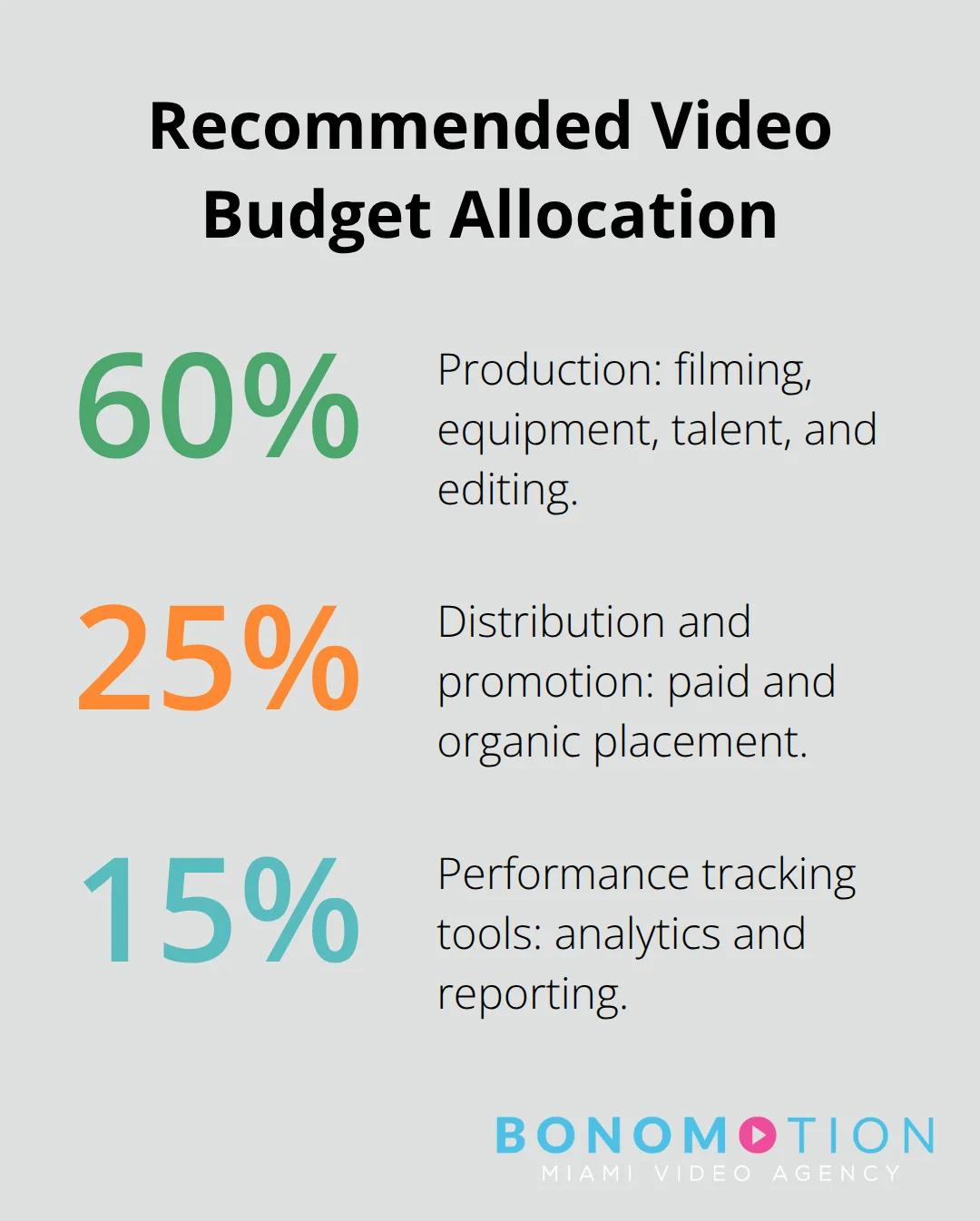
Quality video production requires proper budget allocation. VidCo research shows marketing budgets range from under $999 to over $20,000 monthly for video content (professional equipment, talent, and post-production costs add up quickly). Allocate 60% for production, 25% for distribution and promotion, and 15% for performance tracking tools. Plan for 4-8 weeks production timeline for professional results.
Factor in revision rounds, approval processes, and potential reshoots when you set deadlines.
Define Success Metrics Before Production
Clear measurement criteria separate successful campaigns from guesswork. Track specific KPIs that align with your objectives: view counts for awareness campaigns, click-through rates for lead generation (try for 2-5% CTR on video ads), and conversion rates for sales videos. Wistia reports that 74% of companies measure video ROI through views and engagement rates. Set up tracking systems before launch to capture accurate data. Monitor watch time, audience retention, and drop-off points to optimize future content. Measuring success and ROI requires tracking key performance indicators that align with your specific objectives.
With clear goals and measurement systems in place, you can focus on the creative elements that transform objectives into compelling video content.
Creating Compelling Video Content
Format selection determines campaign success more than production budget. Explainer videos work best for complex products, with 87% of B2B marketers using video in their marketing strategies. Product demonstrations convert 64% better than static images according to Eyeview research. Customer testimonials build trust faster than corporate messages – authentic customer stories are highly effective in showing real-life examples and benefits.
Choose the Right Video Format for Your Message
Select testimonials for trust-building, explainers for education, and product demos for direct sales. Demo videos should focus on problem-solution narratives within 90 seconds, while testimonials work best at 30-45 seconds for social media distribution. Educational content performs well on LinkedIn and YouTube, where audiences expect longer-form material. Entertainment-focused videos succeed on TikTok and Instagram Reels with vertical format driving engagement.
Write Scripts That Hook Viewers Immediately
Effective video scripts follow the problem-agitate-solution framework within the first 15 seconds. Hook viewers immediately with a compelling question or statement that addresses their pain point. The middle section should present your solution with specific benefits, not features. End with a single, clear call-to-action that tells viewers exactly what to do next.
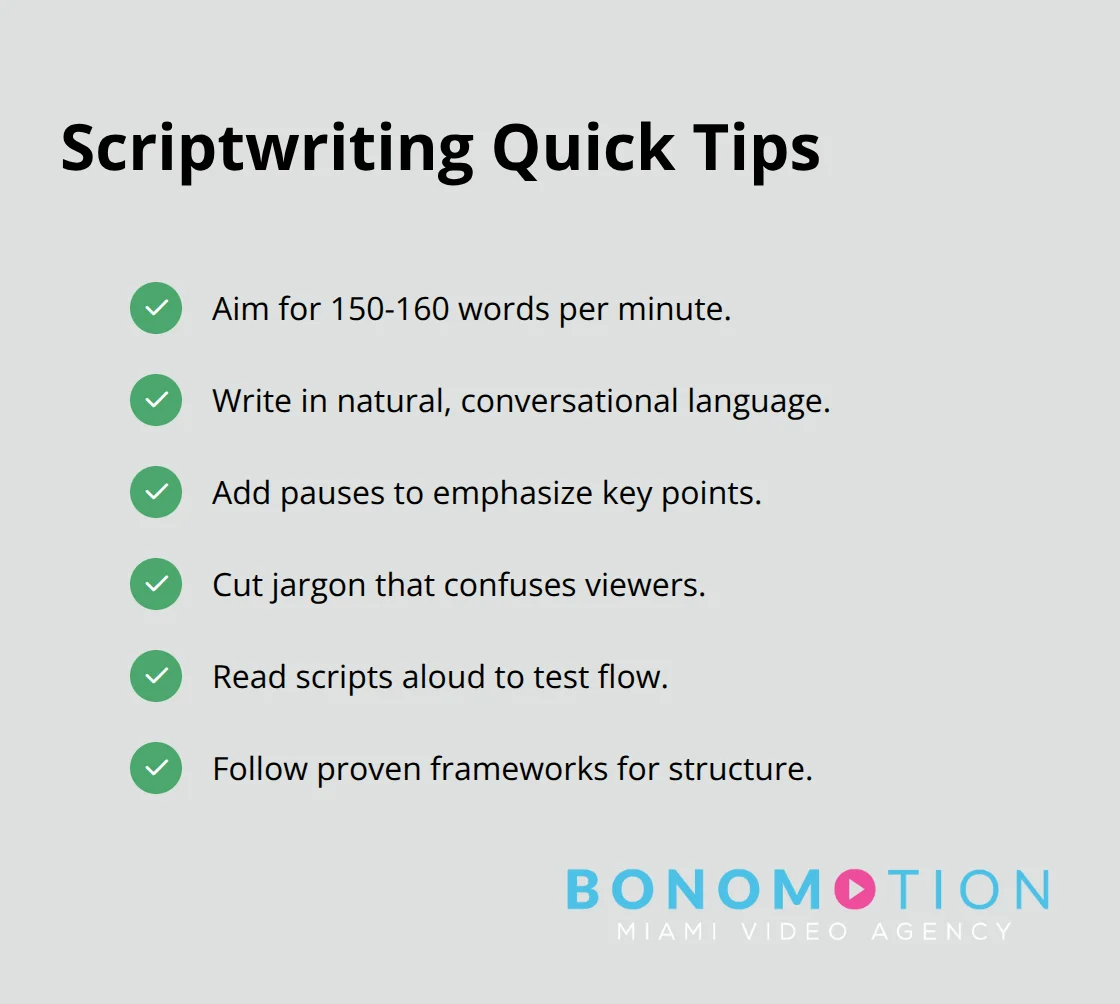
Scripts should contain 150-160 words per minute of final video. Write conversational language that sounds natural when spoken aloud. Include pauses for emphasis and avoid industry jargon that confuses viewers. Test scripts by reading them aloud before production begins.
For detailed guidance on corporate video production scripts, follow proven frameworks that structure your message effectively.
Apply Professional Production Standards
Audio quality matters more than video resolution – poor audio kills viewer retention within 10 seconds. Invest in external microphones and record in quiet environments to avoid echo and background noise. Lighting should illuminate subjects evenly without harsh shadows. Natural light works well, but avoid direct sunlight that creates unflattering contrasts.
Frame subjects with the rule of thirds and maintain steady shots with tripods or stabilizers. Keep backgrounds simple and uncluttered to focus attention on your message. Record multiple takes to capture the best performance and provide editing options. Professional videography technology elevates brand perception and viewer trust, which leads to higher conversion rates.
Quality content needs strategic distribution to reach your target audience effectively across multiple platforms.
Distribution and Promotion Strategies
Platform choice affects video performance more than production quality. YouTube generates the highest downstream traffic for businesses according to VidCo research, which makes it essential for long-form content and SEO benefits. LinkedIn delivers superior B2B engagement with 97% of videos recorded in vertical format, while Facebook video ads achieve 6.04% engagement rates compared to 1.66% for image posts. TikTok and Instagram Reels dominate short-form content with 29.18% of marketers using these platforms according to HubSpot data.

Match your video format to platform preferences: horizontal for YouTube, vertical for mobile-first platforms, and square for Facebook feeds.
Select Platforms Based on Audience Behavior
Different platforms serve different business objectives and audience types. YouTube works best for educational content and product demonstrations that require detailed explanations (viewers expect longer content here). LinkedIn targets decision-makers and professionals who consume business-focused videos during work hours. Instagram and TikTok capture younger demographics who prefer quick, visual content that entertains while it informs. Facebook reaches broader age ranges and works well for community-focused content and local business promotion.
Optimize Videos for Search Rankings
Video SEO starts with keyword-rich titles and descriptions that match search intent. Include target keywords in the first 125 characters of descriptions and add timestamps for longer content to improve user experience. YouTube videos with captions receive 7.32% more views than those without, while transcripts boost SEO by providing searchable text content. Upload custom thumbnails with 1280×720 resolution and include your brand colors to increase click-through rates. Tag videos with relevant keywords and create playlists to improve session duration metrics that YouTube rewards with higher rankings.
Create Cross-Platform Content Systems
Transform single video shoots into multiple formats for maximum reach and efficiency. Convert 3-minute YouTube videos into 60-second LinkedIn posts, 15-second Instagram Stories, and 30-second TikTok clips. Schedule content releases strategically: post on LinkedIn Monday at 9 AM PST for peak B2B engagement, while Instagram performs best Tuesday through Thursday. Cross-promote content by teasing longer videos on social platforms and directing traffic to your website or YouTube channel. Distribution strategies include platform-specific optimization, staggered releases, and targeted advertising. Track performance across platforms using UTM parameters to identify which channels drive the highest-quality traffic and conversions.
Final Thoughts
Successful video marketing campaigns require strategic planning, quality content creation, and smart distribution. The most effective video marketing examples combine clear objectives with audience-focused messaging and platform-specific optimization. Companies that track specific metrics like conversion rates, watch time, and engagement see 93% positive ROI according to Wyzowl research.
Start with revenue-focused goals rather than vague awareness targets. Create content that solves real problems for your audience within the first 15 seconds. Choose platforms based on where your customers actually spend time, not where you think they should be.
Video production quality directly impacts viewer trust and conversion rates. Professional audio, lighting, and editing separate successful campaigns from amateur attempts that damage brand credibility. We at Bonomotion Video Agency help businesses create strategic video content that drives measurable results (our 20+ years of experience accelerates campaign success and prevents costly mistakes that waste marketing budgets).