

Professional trade show photography is purposeful brand documentation, not casual snapshots. It captures your exhibit’s presence, product demonstrations, visitor interactions, and event atmosphere to produce marketing assets that keep working for your brand long after the show closes. A well-executed shoot at a convention or exhibition delivers images that power your website, sales decks, LinkedIn content, email campaigns, and PR materials for up to 12 months after the event. For exhibitors and stand builders investing thousands in booth design and floor space, professional photography turns that investment into lasting, reusable content.
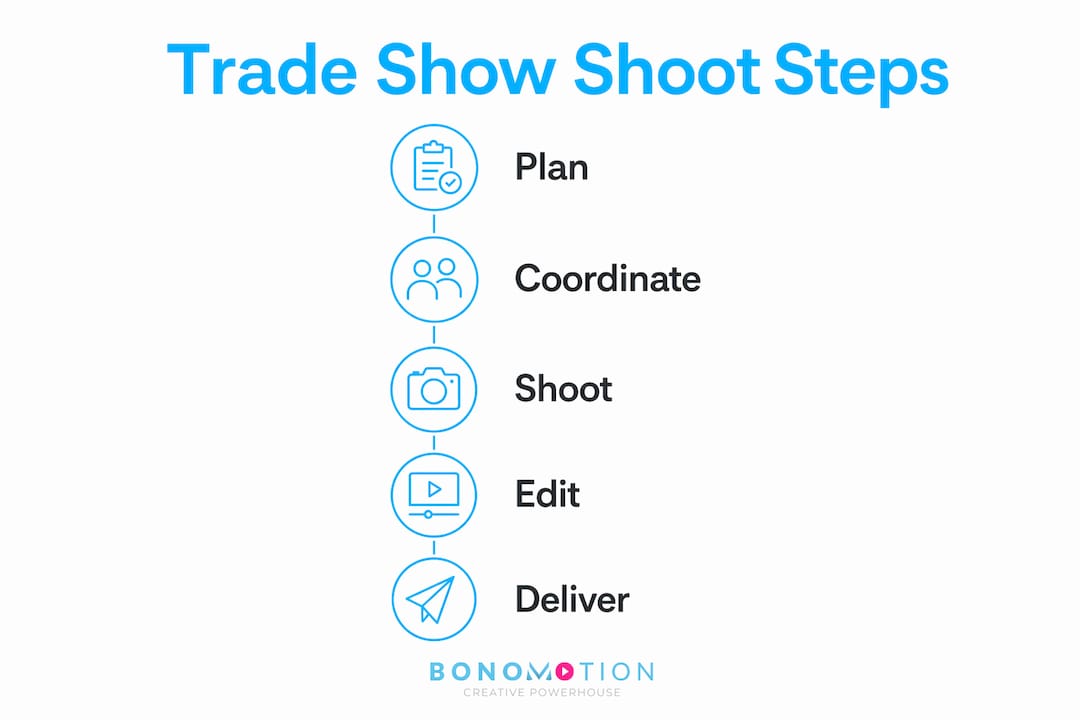
The core value is proof of presence. Buyers, partners, and media who weren’t at the show judge your brand partly by what they see afterward. Polished, high-energy images from your booth tell a story that no press release can replicate.
Trade show photography delivers:
- Credibility through professional-grade visuals that reflect your brand standards
- Proof of market presence for sales and investor communications
- Social media content with real-time posting potential during the event
- Long-form marketing assets with a typical 12-month shelf life
- Documentation of product launches, demos, and key client interactions
- Visual support for post-show email campaigns and trade publication pitches
What trade show photography services actually cover
Professional exhibition photography services go well beyond showing up with a camera. A full-service engagement covers architectural stand photography, product detail shots, live demonstrations, candid visitor interactions, speaker or presentation moments, and environmental wide-angle images that capture the scale and energy of the floor. Each of these serves a different marketing purpose, and a skilled exhibition photographer plans coverage around all of them.
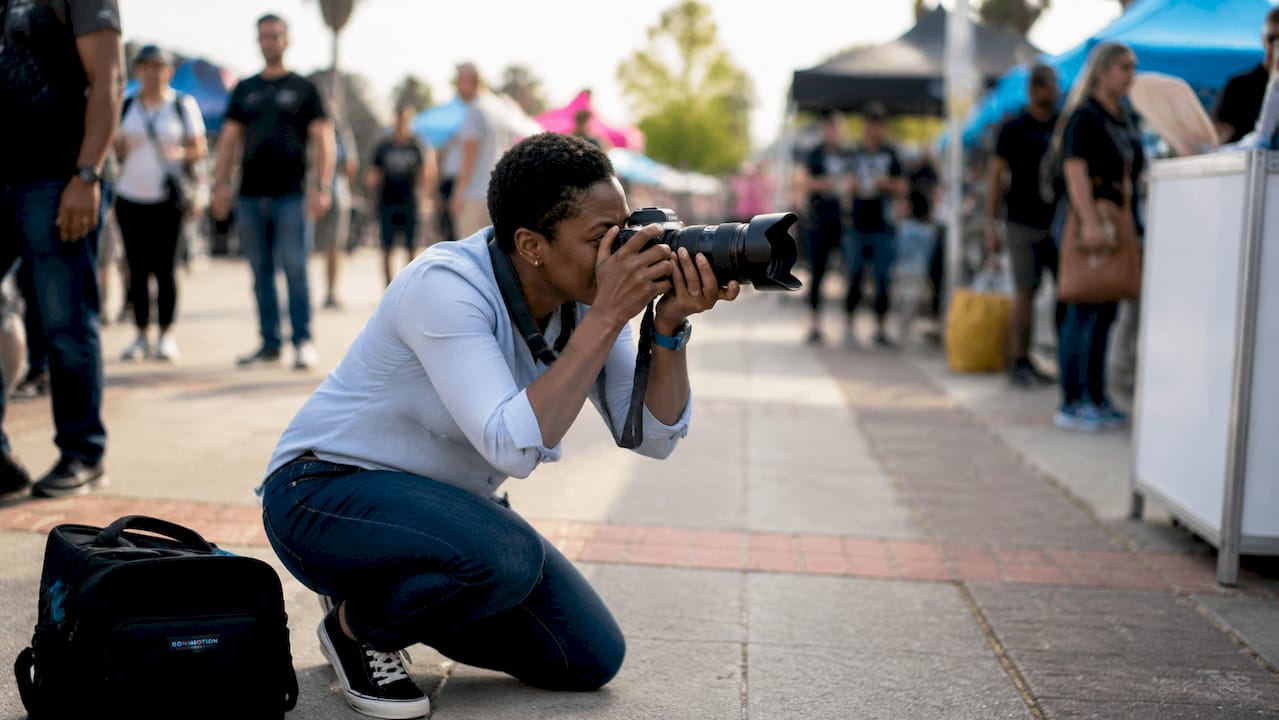
Coordination with stand builders and event organizers is a standard part of the process. Photographers work directly with your team to schedule access before doors open, confirm badge and floor credentials in advance, and align on priority shots before the first frame is captured. That pre-show coordination is what separates a reactive shoot from a planned brand asset production.
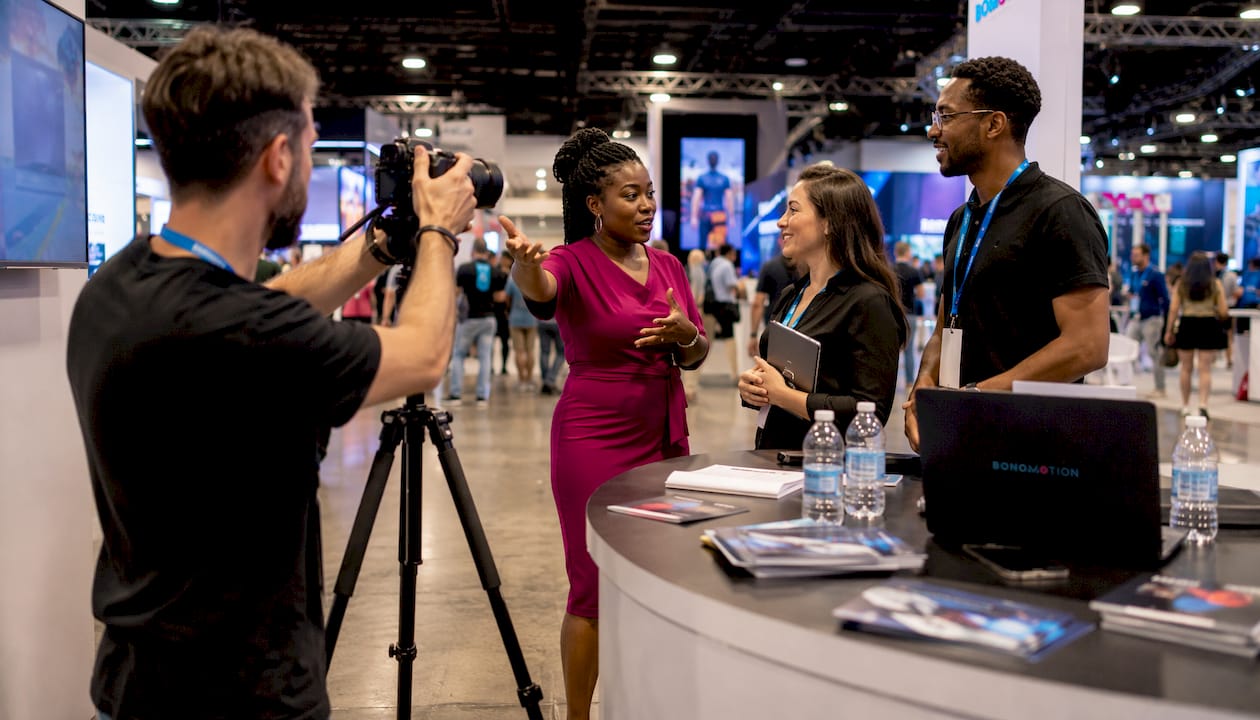
Delivery formats matter as much as the images themselves. Same-day social media selects give your marketing team real-time content to post while the event is still live, building momentum and engagement before the show even ends. Full edited galleries typically follow within 24–72 hours depending on scope. Commercial usage rights should always be confirmed in writing before the shoot begins, giving you full freedom to repurpose images across every channel without additional licensing fees.
Typical service components include:
- Pre-show architectural and stand photography (pristine booth, no crowds)
- Product and display detail shots
- Candid visitor and staff interaction coverage
- Keynote, demo, and presentation photography
- Environmental and wide-angle floor shots
- Same-day social media selects for real-time posting
- Full edited gallery delivery within agreed timelines
- Full commercial usage rights for all delivered images
- Optional add-ons: express delivery, integrated event videography, time-lapse of booth traffic
How to plan a trade show shoot that actually delivers
Planning is where most exhibitors lose ground, so consider expert photography SEO services to maximize online reach and bookings for your shoots. Arriving at a convention without a shot list is like running a product launch without a script. A shot list co-developed with your marketing team before the event clarifies exactly what the photographer needs to capture, which brand elements are non-negotiable, and which moments are opportunistic. A strategic shot list also improves the emotional impact of final images because the photographer is working toward specific storytelling goals, not just filling a memory card.
Timing is the single most controllable variable on a trade show floor. The best architectural-quality stand images happen 30–60 minutes before doors open, when the booth is pristine and the floor is empty. Once attendees arrive, clean wide shots of your stand become nearly impossible without significant post-processing. Scheduling your photographer for pre-opening access is one of the highest-ROI decisions you can make for the entire shoot.
Peak traffic windows, typically mid-morning on day one and early afternoon on day two, are when candid interaction shots come alive. These are the images that show your team engaging buyers, demonstrating products, and building relationships. They carry emotional weight that architectural shots cannot replicate.
Pre-show planning checklist:
- Confirm photographer credentials and floor access at least two weeks out
- Build a priority shot list with your marketing team, ranked by importance
- Schedule pre-opening access for stand and product detail shots
- Brief booth staff on natural behavior during photography (avoid stiff poses)
- Identify key demo times, presentations, or VIP visits to anchor the schedule
- Confirm image delivery format, timeline, and usage rights in writing
Pro Tip: Anchor your shot list with three to five “must-have” images. These are the frames that, if missing, make the shoot incomplete. Everything else is bonus coverage. Giving your photographer a clear hierarchy prevents the common problem of returning from a three-day show with beautiful candids but no clean stand shot.
Photography techniques that produce marketing-grade results
The trade show floor is one of the most technically demanding environments for photography. Mixed lighting from fluorescent overheads, LED booth displays, and spotlights creates color casts and exposure inconsistencies that trip up photographers who haven’t worked these environments before. Deliberate white balance control, either set manually or corrected in RAW post-processing, is the baseline requirement for consistent, professional-looking results.
Gear that handles the environment
Mirrorless camera bodies with fast, reliable autofocus perform best in crowded, fast-moving convention spaces. For lenses, a 24–70mm f/2.8 zoom covers the majority of situations from stand architecture to mid-range candids, while a 70–200mm f/2.8 telephoto lets you compress a busy floor and isolate subjects without physically crowding a conversation. A fast prime like a 35mm or 50mm f/1.4 adds low-light capability for dimly lit booths or evening networking events.
Camera settings and workflow
Shooting in aperture priority with auto ISO within a controlled ceiling (typically ISO 3200–6400 on modern mirrorless bodies) keeps exposures consistent while allowing the camera to react to changing light. Shutter speed should stay at or above 1/200s to freeze motion in busy environments. Working in zones, covering one section of the floor or booth thoroughly before moving to the next, prevents the scattered coverage that leaves gaps in the final gallery.
Professional photographers deliver 50–100 edited images per hour of coverage, a pace that reflects both shooting efficiency and post-processing discipline. That rate assumes a clear shot list, organized memory card management during the shoot, and a culling workflow that prioritizes quality over volume.
Core technique priorities:
- Shoot RAW for maximum white balance and exposure latitude in post
- Use back-button focus for fast, accurate tracking of moving subjects
- Capture anchor shots first, then move to candids and atmosphere
- Vary angles: eye-level for interactions, low angle for stand architecture
- Back up memory cards to a second drive at every scheduled break
- Expose for your subject’s face, not the bright booth display behind them
Stat to know: Professional event photographers deliver a substantial number of edited images per hour of coverage, ensuring every key brand element gets captured without sacrificing quality.
Combining photography and videography for full brand storytelling
Photography and video are not competing formats at a trade show. They answer different questions for your audience. Photography delivers the instant, shareable proof of presence. Video captures motion, sound, and atmosphere in ways that still images cannot, from the energy of a packed demo to the testimonial of a satisfied client recorded on the floor. Together, they give your marketing team a complete content toolkit.
At a multi-day conference or major trade fair, the synergy becomes even more pronounced. A photographer captures the pristine booth at 7:30 AM, the peak-traffic candids at 10:00 AM, and the keynote presentation at 2:00 PM. A videographer, working in parallel, records the same keynote for a highlight reel, captures B-roll of product interactions, and conducts short on-camera interviews with booth visitors. The two deliverables complement each other across every channel: the photos go to LinkedIn and the press kit, the video goes to YouTube, your website, and post-show email sequences.
Planning a combined production requires a unified schedule that accounts for both crews without creating bottlenecks. The photographer and videographer need to know each other’s priority windows so they aren’t competing for the same angle at the same moment. A single experienced producer coordinating both is the most efficient way to run this kind of coverage.
Benefits of integrated photo and video coverage:
- Extended content reach across platforms with format-appropriate assets
- Richer storytelling that captures both the visual and the experiential
- Consistent brand messaging across still and motion deliverables
- More efficient crew coordination when managed under one production team
- Higher overall marketing ROI from a single event investment
Pro Tip: Brief both your photographer and videographer together before the show opens. A 20-minute joint walkthrough of the booth and shot priorities prevents the most common coordination failures and ensures the two crews work as one unit rather than two separate contractors.
Bonomotion Agency has been producing integrated trade show booth coverage for exhibitors across Miami, Fort Lauderdale, Coral Gables, and Palm Beach for over 20 years. From Fortune 100 exhibitors at major convention centers to growing brands making their first major trade fair appearance, the approach is the same: one experienced producer, a coordinated photo and video team, and a clear plan built around your marketing objectives. For exhibitors who want to understand how visual content fits into a broader trade show marketing strategy, that planning conversation starts before a single camera arrives on the floor.
Ready to make your next trade show count?
Your booth deserves more than a few phone photos. Bonomotion Agency delivers professional event photography and videography for exhibitors across South Florida and nationwide, with same-day social media selects, full commercial usage rights, and an experienced producer guiding every shoot. Whether you’re exhibiting at a Miami convention center or a national trade fair, we build a production plan around your brand goals and deliver assets you’ll use for the next 12 months.
Contact Bonomotion Agency today to discuss your upcoming show and get a custom quote for professional event coverage.
Key Takeaways
Professional trade show photography produces brand assets with a 12-month marketing shelf life, requiring deliberate planning, expert technique, and coordinated photo-video coverage to maximize ROI.
| Point | Details |
|---|---|
| Treat it as brand production | Approach every shoot as asset creation, not documentation, to maximize post-show marketing value. |
| Time your architectural shots | The 30–60 minutes before doors open delivers the cleanest, highest-quality stand images of the entire event. |
| Build a priority shot list | A ranked shot list co-developed with your marketing team prevents coverage gaps and sharpens storytelling. |
| Confirm usage rights upfront | Full commercial usage rights must be agreed in writing before the shoot so you can repurpose images freely. |
| Combine photo and video | Integrated coverage under one production team delivers complementary assets that extend reach across every channel. |
FAQ
What does a professional trade show photographer typically deliver?
A professional exhibition photographer delivers a fully edited image gallery covering stand architecture, product details, candid interactions, and event atmosphere, along with same-day social media selects and full commercial usage rights. Delivery timelines typically range from same-day selects to a complete gallery within 24–72 hours.
How much does event photography cost for a trade show?
Rates for professional event photography vary by market, shoot duration, and deliverables. Most experienced photographers charge on a half-day or full-day basis, with additional fees for same-day turnaround or integrated videography. For a specific quote tied to your show dates and coverage needs, contact a production company directly.
Is $100 an hour a fair rate for a photographer?
$100 per hour sits at the lower end of the professional market in major U.S. cities. Experienced photographers with commercial event portfolios and fast turnaround capabilities typically command higher rates, particularly for trade shows where technical demands and delivery speed are both elevated.
When is the best time to photograph a trade show booth?
The 30–60 minutes before the show floor opens produces the best architectural stand images, when the booth is clean, fully lit, and free of crowds. Candid interaction shots are strongest during peak traffic windows, typically mid-morning on the first day.
Do I own the photos from my trade show shoot?
Ownership depends on the contract. Professional trade show photographers should provide full commercial usage rights as part of the deliverable, giving you the freedom to use images across your website, social media, sales materials, and press releases without additional licensing fees. Always confirm this in writing before the shoot begins.