
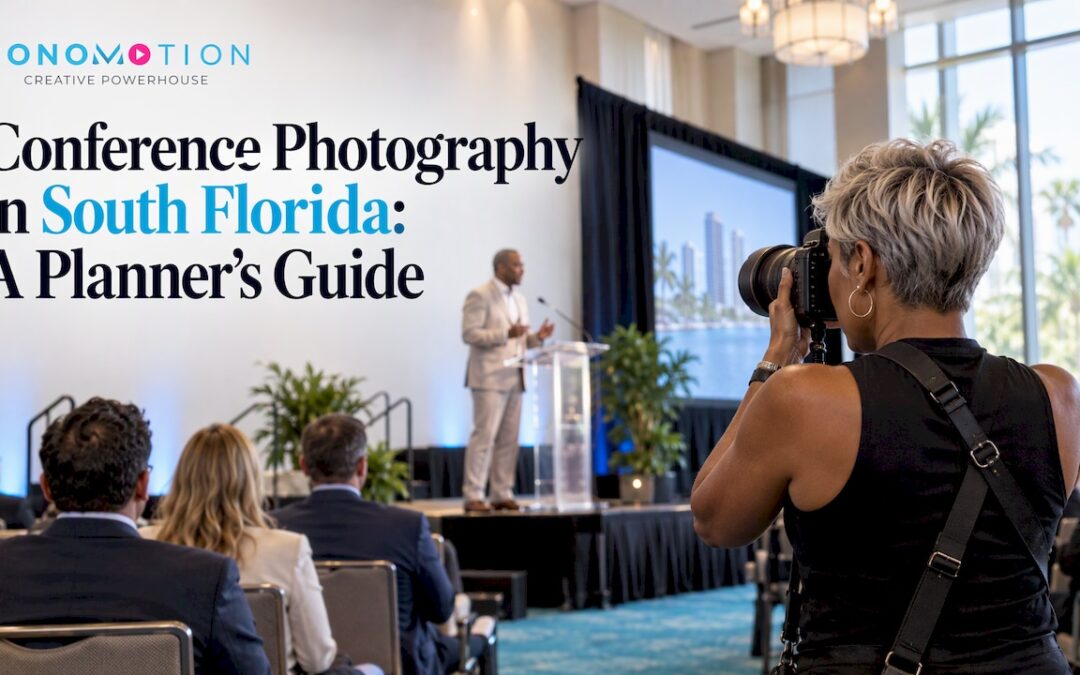
Good conference photography is planned before the first badge is printed. You decide which moments the images must serve (recap posts, sponsor reports, press, next year’s promotion), brief a photographer against that list, and agree when each batch arrives. At Bonomotion, a dedicated producer guides every project, so your team gets coverage built around your objectives, audience and timeline across Miami, Fort Lauderdale, Coral Gables, Palm Beach and beyond.
This guide walks you through the whole process: planning coverage, building a shot list, capturing speakers and networking, choosing gear, handling attendee consent and organizing delivery.
TL;DR
- Start with the end use. List who will see the photos (sponsors, press, social, internal) and work backward to the shots you need.
- Build a written shot list by session type: keynotes, breakouts, networking, sponsors, registration, venue details and candids.
- Brief the photographer on the run of show, VIPs, room layouts and lighting before the event day.
- Post clear photography notices and registration terms, and honor removal requests.
- Agree on a delivery schedule: a quick hero set for same-day posting, then the full gallery sorted by session and sponsor.
Table of Contents
- What conference photography is actually for
- How to plan conference coverage before the event
- The conference photography shot list
- Capturing speakers, audience, networking and groups
- Gear and camera settings for conference rooms
- Consent, privacy and event photo policies
- Selecting and delivering the images
- Booking conference photography in South Florida
- Bonomotion for your next conference
- Our perspective
- FAQ
What conference photography is actually for
A conference produces a short burst of content value. Hundreds of people gather, your speakers say their best lines, your sponsors pay for visibility, and then everyone goes home. Photographs are what remain: the proof that the room was full, that the keynote landed, that sponsors were seen.
That is why the best planners treat photography as a deliverable with several customers:
- Marketing needs recap posts, website banners and next year’s registration page imagery.
- Sponsors need evidence of booth traffic, logo placement and stage mentions for their own reports.
- Speakers need a flattering image they can post to their networks, which also spreads your event name.
- Executives and PR need clean portraits and stage moments for press releases and internal communications.
- Sales teams use social proof from the event in follow-up campaigns.
When you write these audiences down first, vague requests like cover everything turn into concrete assignments. You can see our approach to this on our page about corporate event photography for South Florida businesses.
How to plan conference coverage before the event
Most disappointing galleries trace back to thin planning, not thin talent. A strong plan has six parts.
1. Define the objectives and the deliverables
Write two or three sentences on what success looks like. For example: sponsor-ready images within a week, a hero set for social posting the night of the closing session, and a full gallery for the website. These sentences drive every later decision, from how many hours of coverage you book to how many photographers.
2. Share the run of show and floor plan
Send your photographer the agenda, session rooms, stage dimensions, and the timing of the key moments: opening remarks, keynotes, awards, panel discussions, the sponsor reception. A photographer who knows that the CEO speaks at 9:15 in the main ballroom can be in position at 9:05, not hunting for a spot at 9:16.
3. Name the must-capture people and moments
Create a short VIP list with names, roles and, where possible, reference photos. Include speakers, board members, honorees, top sponsors and any special guests. Mark moments that cannot be repeated: ribbon cuttings, award presentations, signature announcements.
4. Scout the venue, or ask for the venue’s details
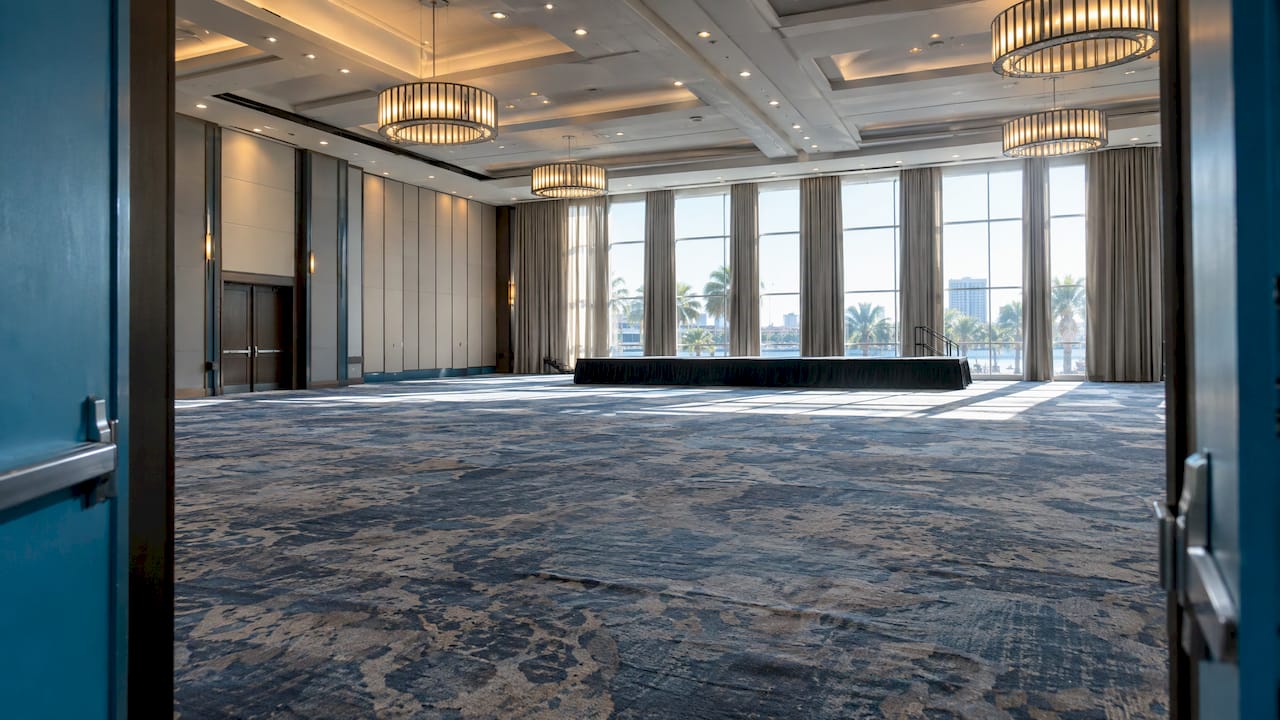
Venues in South Florida range from hotel ballrooms in Miami and Fort Lauderdale to waterfront spaces and convention halls. Each brings its own lighting, ceiling height, window glare and stage setup. Knowing whether a room uses dim projection-heavy lighting or bright stage washes changes camera settings and positioning. Ask the venue about house rules for photography, loading in, and any restrictions on moving around during sessions.
5. Decide how many photographers you need
A single-room, single-day conference may need one photographer. Multi-track events with simultaneous breakouts, an expo floor and an evening reception need more, because one person cannot be in three rooms at once. If you are also recording video or streaming sessions, coordinate both teams so cameras and lights are not in each other’s frame. Our team covers both sides: see our event videography and photography services and our guide to conference video production.
6. Set the delivery schedule in writing
Agree on what arrives when, in what format and how it is organized. More on this below.
The conference photography shot list
A shot list keeps coverage balanced. Without one, photographers naturally over-shoot the stage and under-shoot the sponsors and the hallway. The table below shows a practical structure you can adapt. Quantities are working guidelines for a two-day B2B conference, not rules, so scale them to the size of your event.
| Category | What to capture | Why it matters |
|---|---|---|
| Establishing shots | Venue exterior, full room with stage and audience, signage | Sets the scene for recaps and websites |
| Registration and entrance | Badge pickup, welcome desk, first arrivals | Shows scale and organization |
| Speakers | Wide, medium and tight frames mid-talk; one clean portrait per keynote | Feeds press, speaker pages and social |
| Audience | Reactions, laughter, note-taking, engaged faces | Proves the content resonated |
| Breakout sessions | Presenter plus a wide view of attendance | Covers parallel tracks |
| Networking | Conversations, handshakes, small groups | Captures the reason people attend |
| Sponsors and exhibitors | Booths, logos on stage, sponsor reps with attendees | Sponsor deliverables and renewals |
| Candids | Hallway moments, coffee breaks, spontaneous energy | Gives recaps a human feel |
| Venue details | Food, decor, branded items, lighting, stage design | Supplies texture for marketing |
| Reception and social | Toasts, awards, evening gatherings | Closes the story of the event |
For most two-day conferences, a final set of a few hundred polished images is more useful than thousands of near-duplicates. Ask your photographer to cull aggressively, and keep a separate, smaller hero set for fast use.
If your event also includes video, our list of must-have event video shots for planners pairs well with this photo list so both teams cover the same moments from different angles.
Capturing speakers, audience, networking and groups
Speakers and stage coverage
Think in layers. A wide shot shows the speaker, stage and a silhouette of the audience. A medium shot catches a gesture with the slide or screen visible. A tight shot isolates the face or hands at a peak expression. Reverse shots turn the camera toward the audience to catch reactions. Together these give you a full visual story of each session, not twenty versions of the same frame.
Position matters. Shoot from the sides and the center-back of the room, and move quietly between talks, not during the most intense moments. A photographer should never block sightlines or make shutter noise that distracts a quiet room. Lenses with enough reach let the photographer stay out of the way.
Audience reactions
Audience images are what turn a conference gallery from a record into a story. Look for genuine laughter, concentration, applause and people taking notes. Plan these shots during the strongest parts of a talk, since reactions peak when the speaker lands a point.
Networking and candids
Good networking photos are never staged. The photographer waits at the edge of conversations, shoots when body language is open and the people are engaged, and then moves on. Look for small clusters of two to four people rather than posed lines facing the camera. These images show prospects what it feels like to attend next year.
Group photos
Keep groups small where you can. Larger groups need a clear organizer, a few seconds of attention and a quick check of the image on the camera screen so someone with closed eyes can be reshot immediately. For formal groups such as the board, honorees or a sponsor team, schedule a short slot so the photographer is not chasing people through the reception.
Gear and camera settings for conference rooms
You do not need to select the gear yourself, but knowing what a prepared photographer carries helps you judge a proposal. Conference rooms are tricky: low light, mixed color temperatures, a bright screen behind the speaker and no second chances.
A well-equipped event photographer typically brings:
- Two camera bodies, one with a standard zoom for general coverage and one with a longer lens for stage close-ups, so there is never a lens swap while a key person walks on stage.
- Fast lenses, such as a 70–200mm f/2.8 telephoto zoom and a wide prime for rooms, groups and tight spaces.
- A monopod to steady long lenses without the footprint of a tripod.
- Dual card slots so every frame is recorded twice, plus plenty of charged batteries for a long day.
- Fast, accurate autofocus and strong high-ISO performance for dim ballrooms.
On settings, working photographers commonly shoot in aperture priority or manual mode with automatic ISO, keep the shutter speed fast enough to freeze speaker movement, and set a custom white balance for each room, since stage lighting often differs from the ambient lighting around it. Rehearsal time or a sound-check window is ideal for testing exposure in the actual room.
Bonomotion also offers photography services and studio and equipment rentals, which is useful when your conference needs a portrait corner, a branded backdrop or a quiet space for executive headshots between sessions.
Consent, privacy and event photo policies
Attendees are people first and subjects second. A clear photo policy protects your event, your photographer and your guests.
- Tell people in advance. Add a short photography and recording notice to registration terms and confirmation emails, and say how images may be used (website, social media, advertising, press).
- Use signage. Post notices at entrances and registration so anyone who walks in understands that photography is taking place.
- Keep a way to opt out. Offer a simple method, such as a different badge color or lanyard, for attendees who prefer not to be photographed, and brief your photographer on it.
- Respect private spaces. Avoid restrooms, private meetings and any area your venue or organization marks as off limits.
- Be careful with minors. If young people attend, obtain written permission from a parent or guardian before using their images.
- Honor removal requests. If someone asks you to take an image down, do it promptly.
- Set room rules for attendees. Some events restrict attendee recording during sessions, so state your own rule clearly.
Terms and requirements vary by event, venue and the way images will be used. For anything specific, such as releases for commercial advertising or international attendees, talk to your own attorney. Your Bonomotion producer will make sure your photography plan and your policy work together.
Selecting and delivering the images
Delivery is where good coverage turns into usable marketing. Agree on a staged schedule before the event.
- Hero set, same night or next morning. A small batch of roughly 8 to 15 of the best images, edited and ready for the recap post, LinkedIn update or press note. Speed matters because event buzz fades quickly.
- Quick preview, within a day. A web-sized selection of perhaps 30 to 50 images for the team and sponsors.
- Full edited gallery, within about a week. Organized by day, session or sponsor so nobody scrolls through thousands of files.
- Print and press selects, within about two weeks. Full-resolution files for banners, brochures and media outreach.
These timelines are common working targets, so confirm exact dates with your photographer in the proposal.
Ask for logical folder naming, for example keynotes, breakouts, networking, sponsors, candids and details, plus a short note on where to find what. A separate, clearly labeled hero folder saves your marketing team from searching the whole gallery. Also confirm usage rights: where you may publish the images, whether sponsors may use them and how long the license lasts.
Booking conference photography in South Florida
If your event is in Miami, Fort Lauderdale or Palm Beach, local knowledge pays off. Familiarity with the major hotels, convention spaces and waterfront venues means faster setup and fewer surprises. We cover the region in detail on our pages for conference photographer services in Florida and for Fort Lauderdale conference coverage.
When you request proposals, give every provider the same brief so you can compare like with like:
- Event dates, hours of coverage and venue
- Number of rooms, sessions and expected attendees
- Your audiences and deliverables
- VIP and sponsor lists
- Delivery timeline and file formats
- Whether video or live streaming runs alongside photography
Pricing for event coverage depends on scope, so Bonomotion prepares custom proposals built around your brief.
Bonomotion for your next conference
Bonomotion has produced corporate, event and lifestyle media since 2003. For conferences, we provide event videography and photography, live streaming and on-site production support from a team guided by an experienced producer who works closely with yours. You get one point of contact from planning to delivery, with coverage matched to your objectives, audience and timeline.
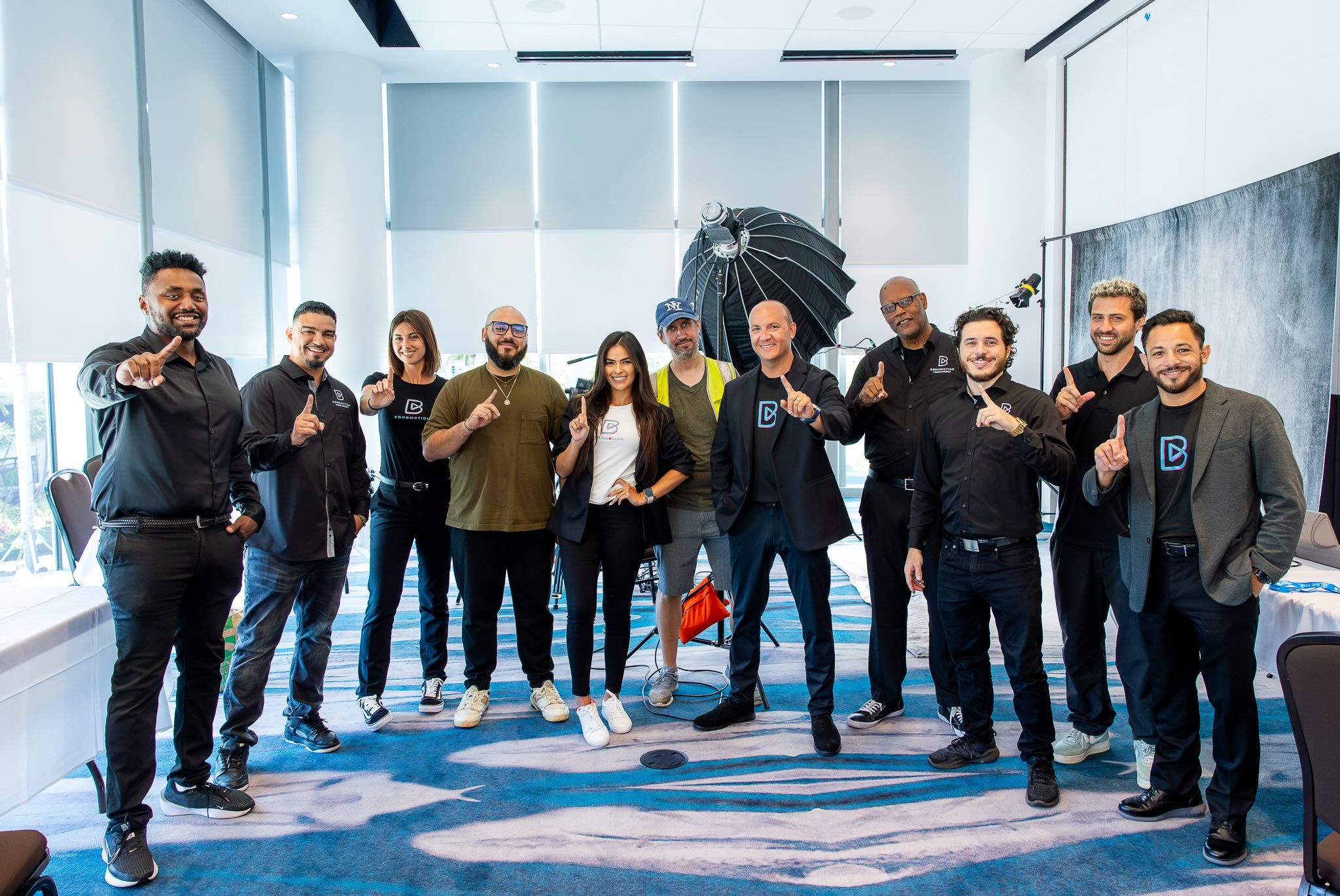
If you are planning a conference, share your agenda and goals with us through the event videography and photography page, and we will build your coverage plan. Planners working on a broader program can also read our event photography services guide for corporate events.
Our perspective
We have spent more than twenty years behind cameras at corporate events, and the pattern is consistent: the conferences that get the most value from their images are the ones that decide what the images are for before the event starts.
A conference is a stage for your brand, your speakers and your sponsors. Photography is how that stage keeps working after the doors close. That is why we pair every project with an experienced producer who learns your objectives, audience and timeline, and who works as an extension of your team.
Combining photography, video and live streaming under one roof also means one plan, one set of contacts and one consistent look across your recap content. Whether you are running a boardroom summit in Coral Gables or a multi-day conference in Miami, the goal is the same: images that your marketing team, your sponsors and your attendees will actually use.
Bernard Bonomo
FAQ
How many photographers do I need for a conference?
One photographer can cover a single-room, single-day event. If you have simultaneous breakout sessions, an expo floor or an evening reception, add photographers so each area is covered at the same time. Your producer can recommend a number after reviewing your agenda.
How many photos should a conference photographer deliver?
The useful number depends on your event size, but a polished gallery of a few hundred images is typically more valuable than thousands of similar frames. Ask for a small hero set within a day, then a full edited gallery sorted by session and sponsor.
Do I need attendee consent for conference photos?
It is best practice to tell attendees in advance that photography will take place, post visible signage and include photo terms in registration. Offer a simple way to opt out and honor removal requests. For specific legal questions, speak with your attorney.
Can conference photography and video be booked together?
Yes. Booking both from one team keeps the plan, schedule and visual style consistent, and avoids cameras getting in each other’s way. We also offer live streaming for sessions you want to broadcast.
How far ahead should I book conference photography?
Book as soon as your dates and venue are set, since busy conference seasons in South Florida fill calendars. Early booking also gives your producer time to review the agenda, scout the venue and finalize the shot list with you.