

B2B buyers watch an average of 13 videos before making purchase decisions. Yet most companies still struggle to create video content that actually converts prospects into customers.
We at Bonomotion Video Agency have spent over 20 years helping businesses build B2B video marketing strategies that generate measurable results. The right approach combines audience research, strategic content planning, and smart distribution tactics.
Understanding Your B2B Audience and Goals
Target the Real Decision Makers
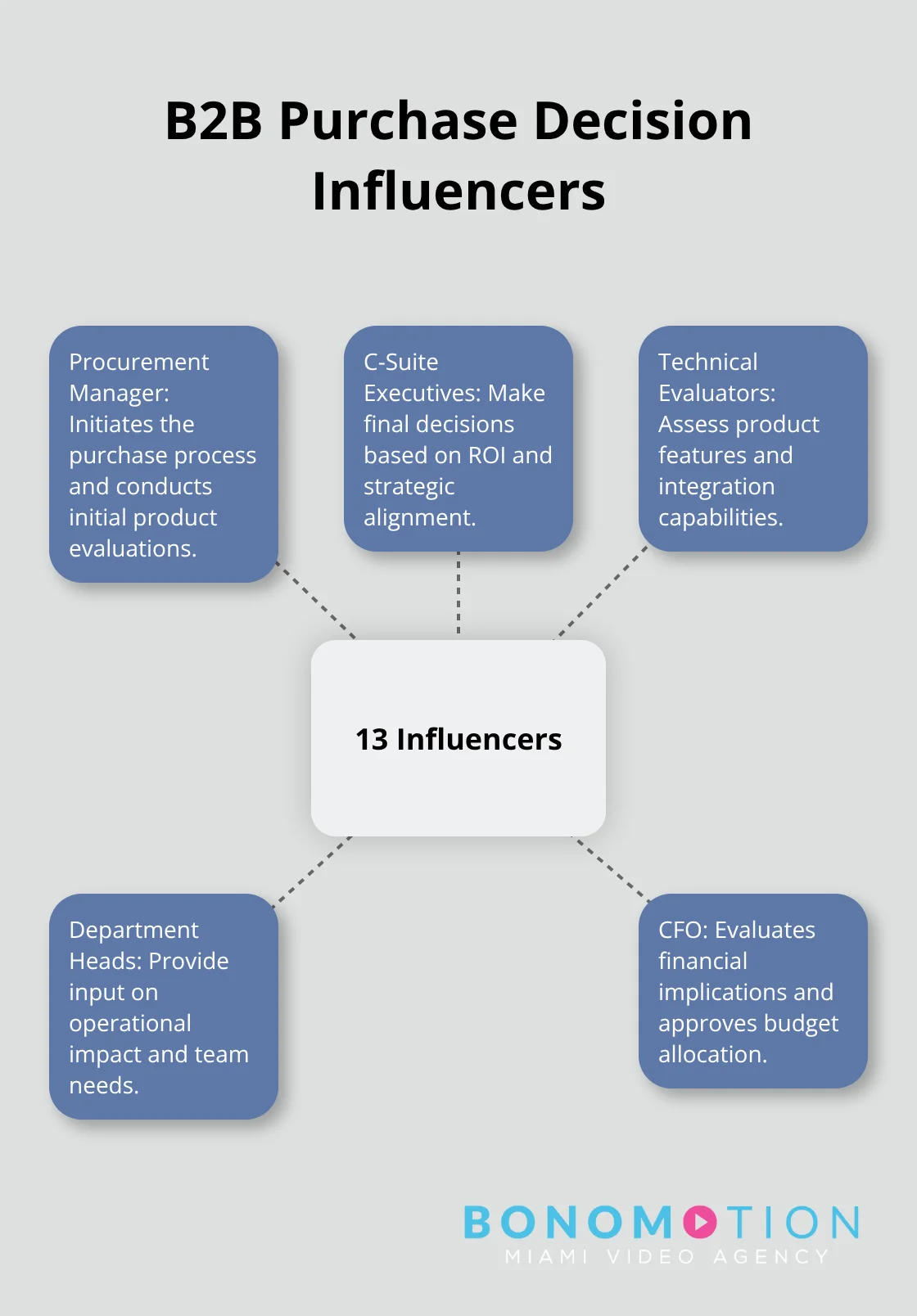
Most B2B companies waste video budgets when they target the wrong people. Research from Forrester shows that 13 people influence every B2B purchase decision on average. Your procurement manager might watch the initial product demo, but the CFO makes the final call based on ROI data. LinkedIn Sales Navigator and ZoomInfo reveal exactly who holds budget authority in your target accounts. Focus 70% of your video content on C-suite executives and department heads who actually sign contracts.
Sales teams know this truth: technical buyers evaluate features while economic buyers evaluate costs. Create separate video tracks for each audience type. Your database administrator needs detailed integration tutorials, while your VP of Operations wants quarterly savings projections. HubSpot data confirms that personalized video messages increase response rates by 16% compared to generic content.
Set Measurable Video Marketing Goals
Vague objectives kill video marketing ROI. Wyzowl research indicates that 30% of marketers quantify ROI through bottom line sales, but only companies with specific KPIs can prove actual revenue impact. Define measurable goals whether you want 25% more qualified leads, 15% shorter sales cycles, or 30% higher deal values. Each goal demands different video types and distribution strategies.
Track conversion rates at every funnel stage. Awareness videos should generate 1,000+ views and 50+ email signups per video. Consideration content needs 20% click-through rates to product pages. Decision-stage demos must convert 8-12% of viewers into sales calls. Google Analytics and marketing automation platforms like Pardot measure these metrics automatically (companies see 200-300% higher click rates with video in email campaigns according to Campaign Monitor data).
Map Content to Sales Funnel Stages
Smart B2B marketers align video content with buyer journey stages. Top-funnel prospects need educational content that addresses industry challenges without pitching products. Middle-funnel viewers want solution comparisons and feature demonstrations. Bottom-funnel buyers require pricing information, implementation timelines, and customer success stories.
Create content calendars that match this progression. Awareness stage videos should answer “what” and “why” questions about industry problems. Consideration videos explain “how” your solution works differently than competitors. Decision videos prove “when” and “where” implementation delivers results. This strategic approach prepares you to create effective business video content for maximum impact.
Essential Video Types for B2B Marketing Success
Product Demonstrations That Convert Prospects
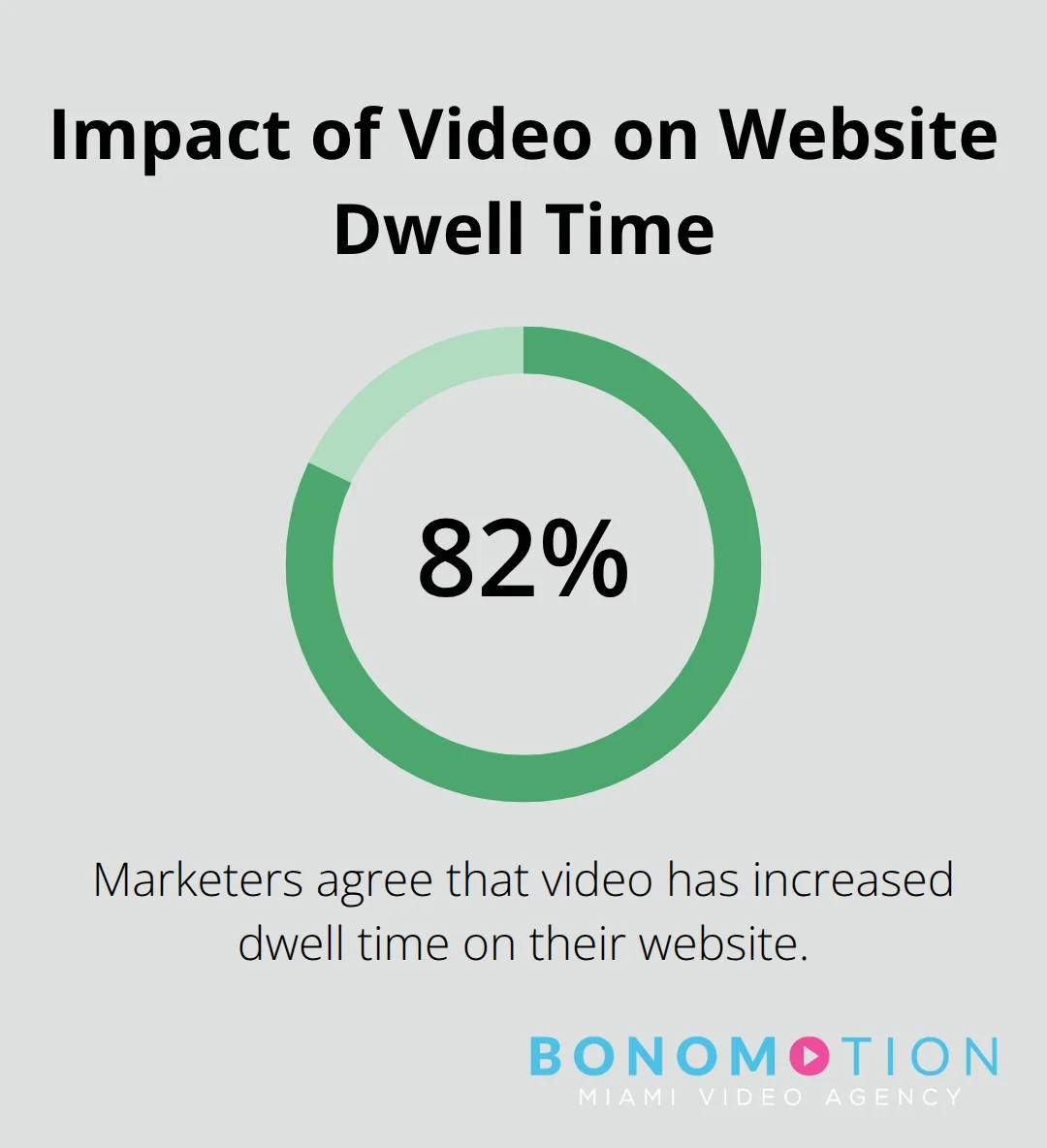
Product demonstrations and explainer videos generate the highest B2B conversion rates because they show exactly how solutions work. 82% of marketers agree that video has increased dwell time on their website, making them essential for B2B engagement. Most companies produce generic demos that showcase features instead of solving specific business problems.
Effective product videos focus on outcomes rather than functionality. Show how your CRM reduces sales cycle time by 30 days, not just how to navigate dashboards. Screen recordings with voice-over narration cost 80% less than live-action shoots while they deliver identical conversion rates (according to TechSmith research). Keep demos under 90 seconds because viewer attention drops 65% after the two-minute mark.
Customer Testimonials That Build Trust
Customer testimonials and case study videos build trust faster than any other B2B content format. Bright Local studies show that 88% of buyers trust online reviews as much as personal recommendations, but video testimonials convert 34% higher than written reviews. Film testimonials at customer locations with their actual teams and real results data.
Generic studio testimonials with actors destroy credibility instantly. Interview customers about specific metrics like 40% cost savings or 25% productivity gains rather than vague satisfaction statements. Real customers who share measurable outcomes create the social proof that drives purchase decisions.
Educational Content That Positions Authority
Educational content positions your company as an industry authority while it nurtures long sales cycles. LinkedIn research indicates that thought leadership videos generate 50% more engagement than product-focused content. Create weekly educational series that address common industry challenges, regulatory changes, or emerging trends.
Educational videos perform best on LinkedIn and YouTube, where B2B decision makers actively search for professional development content. These platforms reward consistent educational content with higher organic reach and better audience engagement rates.
The success of your video content depends heavily on production quality and strategic distribution across the right channels.
Production and Distribution Best Practices
Choose the Right Production Approach for Your Budget
Budget determines your production approach, but expensive doesn’t always mean effective. Screen recordings with professional voice-over cost $500-1,000 per video and convert identically to $15,000 studio productions according to Vidyard research. Most B2B software companies waste budgets on glossy corporate marketing videos when simple screen captures that explain specific features drive 40% higher conversion rates. Animation works best for complex technical concepts because it eliminates visual distractions while it highlights key information.
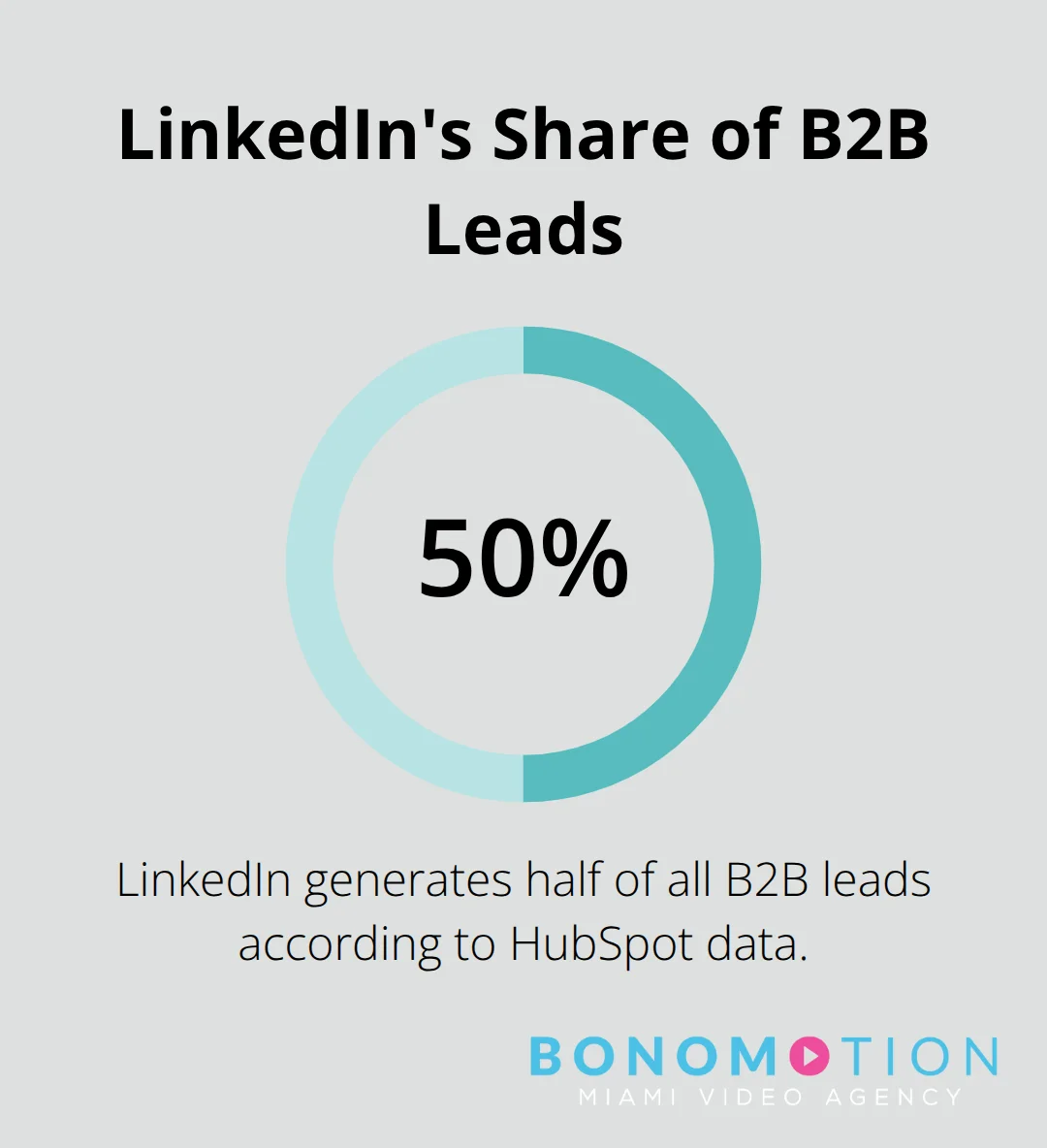
Smart distribution beats high production budgets every time. LinkedIn generates 50% of all B2B leads according to HubSpot data, which makes it your primary video platform. Upload native videos directly to LinkedIn rather than share YouTube links because native content receives 5x more engagement. Twitter videos autoplay in feeds but lose 90% of viewers after 30 seconds, so front-load your value proposition.
Optimize Videos for Different Platforms and Channels
Each platform demands different video specifications and content approaches. LinkedIn videos perform best at 1-2 minutes with square 1:1 aspect ratios for mobile viewers. Add captions because most social media videos play without sound according to platform research. YouTube rewards longer 3-5 minute videos with higher search rankings, but hook viewers within the first 15 seconds or lose 45% of your audience.
Email videos need 30-60 second previews with clear calls-to-action that direct viewers to full content. Wistia data shows that video landing pages convert 80% higher than pages without video, but load times must stay under 3 seconds or bounce rates spike to 40%. Optimize file sizes with H.264 compression and host videos on CDNs like Vimeo Pro or Wistia to maintain quality while you reduce load times.
Measure Performance and ROI Effectively
Track metrics that actually impact revenue rather than vanity numbers. View counts mean nothing without conversion data, but many B2B marketers still focus on basic metrics like impressions rather than meaningful video metrics that correlate with pipeline performance. Focus on click-through rates from video to landing pages, form completions after video views, and sales qualified leads attributed to video content. Marketing automation platforms like HubSpot and Pardot track these conversions automatically when you embed pixels in video players.
Calculate true video ROI when you compare production costs against generated revenue. A $5,000 product demo that generates $50,000 in sales delivers 1,000% ROI (worth replication across different customer segments). Heat maps from tools like Hotjar reveal exactly where viewers stop watching, which allows you to optimize future content based on actual engagement patterns rather than assumptions.
Final Thoughts
A successful B2B video marketing strategy requires three core elements: precise audience targeting, strategic content mapping, and measurable performance tracking. Companies that focus video content on actual decision makers while they align messages with specific funnel stages generate 49% faster revenue growth than those that use generic approaches. Implementation starts when you identify your real buyers through LinkedIn Sales Navigator and define specific KPIs like lead conversion rates or sales cycle reduction.
Create content calendars that match buyer journey stages and prioritize product demonstrations for consideration phases and customer testimonials for decision stages. Track metrics that correlate with revenue rather than vanity numbers like view counts. LinkedIn generates 50% of B2B leads and serves as your primary distribution channel, while YouTube rewards educational content with higher search visibility.
Companies that maintain weekly video schedules build stronger brand authority and shorter sales cycles over time (consistent content creation drives long-term growth). Professional execution that matches your strategic vision makes the difference between mediocre results and measurable success. Bonomotion Video Agency combines decades of B2B video experience with advanced production capabilities to help businesses create compelling visual narratives that drive results across South Florida and beyond.