

The role of director in video production is defined as the creative leader who shapes every element of a project, from script interpretation to final cut. Directors, whether working on a corporate brand film, a music video, or an independent feature, hold final creative responsibility for story, tone, and emotional impact. They guide performances, make visual choices, and collaborate with department heads across every phase of production. Understanding this role gives filmmakers, students, and content creators a clear picture of what separates a well-executed video from a forgettable one.
What are the director’s core responsibilities in each production phase?
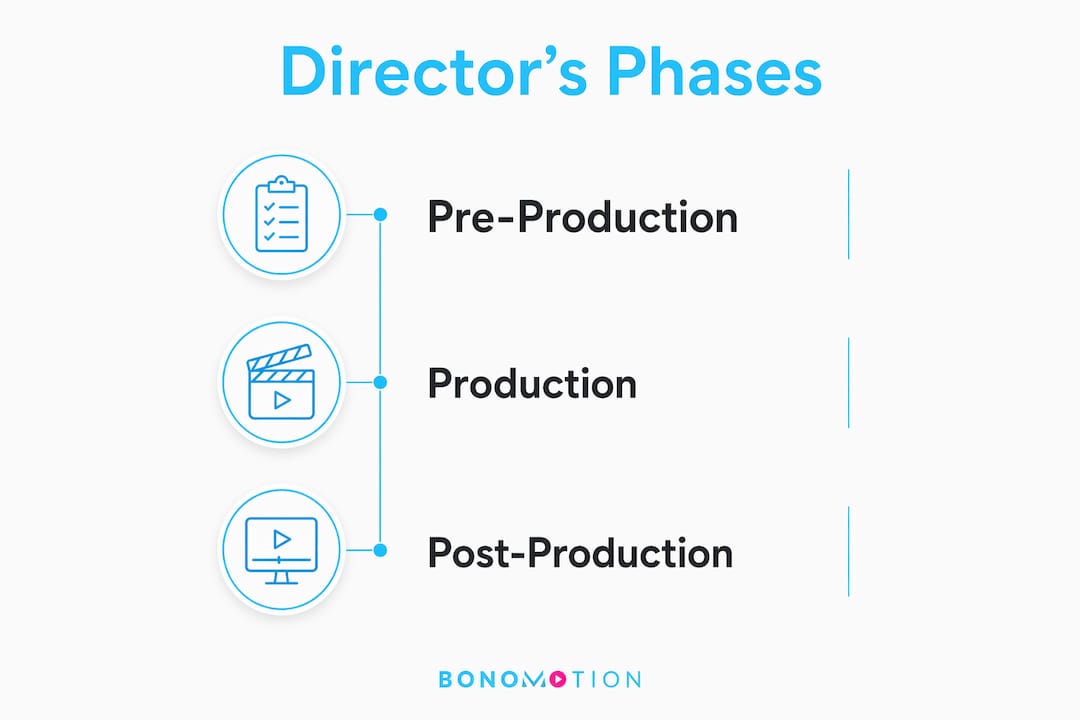
The directorial process divides into three phases: pre-production, production, and post-production. Each phase carries distinct duties, and the director’s ability to connect all three determines whether the final video holds together as a unified story.
Pre-production is where the director’s vision takes its first concrete form. The director refines the script, develops storyboards, selects locations, and leads casting sessions. Rehearsals happen here too, giving actors and the director time to align on character before the camera rolls. A director who arrives at pre-production without a clear visual plan forces the entire crew to improvise, which costs time and money.
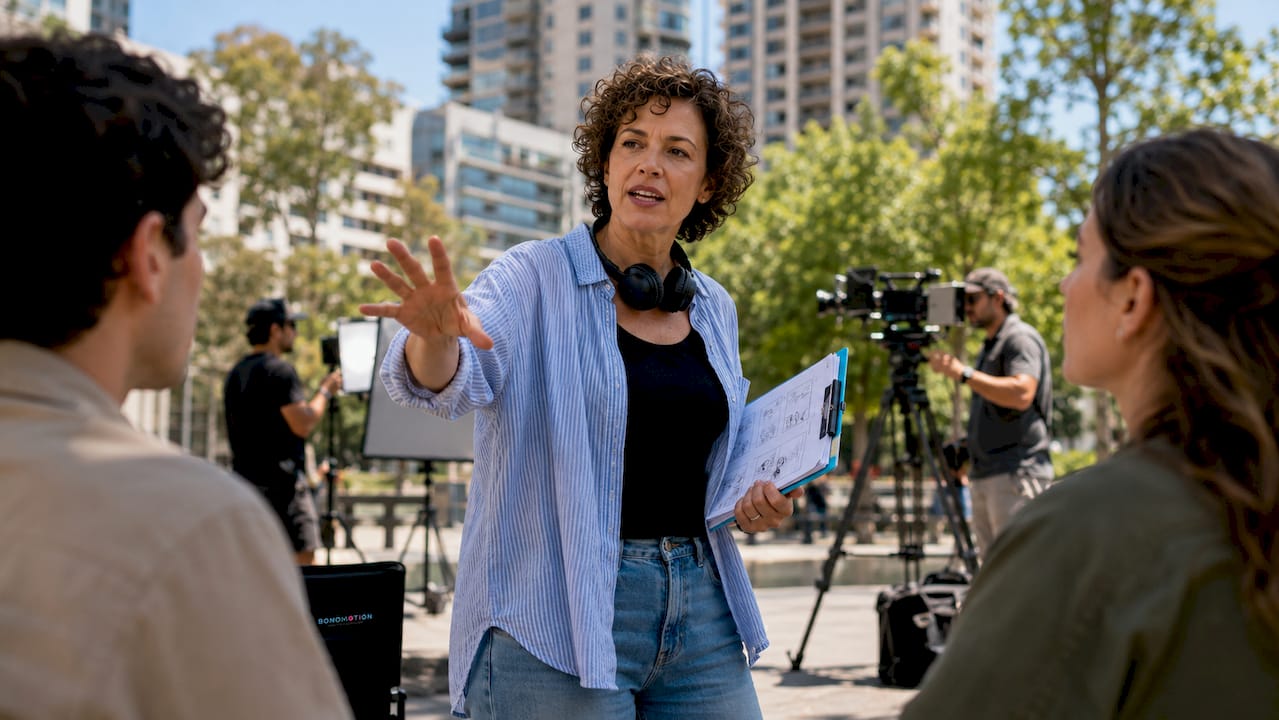
Production is the phase most people associate with directing. On set, the director guides actor performances, blocks scenes for camera, and collaborates closely with the cinematographer on framing and lighting. Every decision made in pre-production gets tested against reality here. Weather changes, equipment fails, and actors interpret lines differently than expected. The director’s job is to hold the creative vision steady while adapting to those realities in real time.
Post-production is where the director’s influence is often underestimated. Many directors hold contractual final cut privileges, giving them authority over editing decisions, sound design choices, and visual effects integration. The director works alongside the editor to shape pacing and emotional rhythm, ensuring the cut reflects the story they set out to tell.
| Phase | Director’s Primary Responsibilities |
|---|---|
| Pre-production | Script refinement, storyboarding, casting, rehearsals, location scouting |
| Production | Actor direction, scene blocking, camera collaboration, real-time problem solving |
| Post-production | Editing oversight, sound and music direction, visual effects review, final cut approval |
How does a director lead creative collaboration on set?
The director acts as the primary communication hub between every department on a production. This means the cinematographer, production designer, costume department, and actors all look to the director for creative alignment. That is a significant leadership responsibility, and it requires more than creative talent.
Emotional intelligence is the skill that separates good directors from great ones. On a busy set with dozens of crew members waiting for decisions, a director who hesitates or communicates unclearly creates a ripple effect of wasted time and low morale. Experienced directors understand that unclear feedback wastes time and damages the collaborative energy a production depends on.
The most effective directors build trust through preparation and specificity. When a director can tell the cinematographer exactly why a particular angle serves the story, or give an actor a precise emotional note rather than a vague instruction, the crew moves faster and with more confidence. That specificity comes from doing the work before the shoot begins.
Here is how strong directors manage creative collaboration on set:
- Establish a shared visual language early. Directors who share mood boards, reference films, and color palettes with department heads before production begins reduce guesswork on set.
- Give actors direction rooted in motivation, not mechanics. Telling an actor “you are afraid of losing your job” produces a more authentic performance than “look more nervous.”
- Communicate decisions quickly and clearly. Dozens of crew members await instructions at any given moment. Indecision is expensive.
- Create space for creative input from department heads. The best ideas on a set often come from the cinematographer or production designer, not the director alone.
- Separate personal creative preferences from what serves the story. The director’s job is to serve the project, not their own taste.
Pro Tip: Build a detailed shot list and share it with your cinematographer and first assistant director at least 48 hours before the shoot. This single habit reduces on-set confusion and keeps the day on schedule.
Director vs. producer: how do their roles differ and intersect?
The director and producer are the two most senior roles on any video production, and confusing them is one of the most common mistakes aspiring filmmakers make. Directors hold creative authority and execute the producer’s plan within the budget and schedule the producer controls. Producers manage financing, contracts, vendor relationships, and logistics. Directors manage story, performance, and visual execution.
The relationship works best when both parties respect the boundary between creative and operational authority. A producer who overrides creative decisions undermines the director’s ability to lead the crew. A director who ignores budget constraints forces the producer into damage control. In practice, a significant part of directing involves navigating unforeseen issues during shoot days, and the director-producer relationship determines how smoothly those moments get resolved.
| Dimension | Director | Producer |
|---|---|---|
| Primary focus | Creative vision and execution | Budget, schedule, and logistics |
| Authority over | Story, performances, visuals | Financing, contracts, vendor management |
| Decision-making | On-set creative calls | Pre-production planning and resource allocation |
| Post-production role | Final cut oversight (often contractual) | Delivery, distribution, and legal clearances |
| Collaboration point | Aligns creative choices with production realities | Aligns resources with the director’s creative needs |
For students and emerging creators, understanding this dynamic is practical, not just theoretical. If you are directing a corporate video for a client, the role of video producers in that context mirrors this same structure. The producer holds the client relationship and the budget. You hold the camera and the story.
What practical skills and techniques must modern directors master?
Directing is a craft built on preparation, adaptability, and leadership. The technical knowledge matters, but it is the combination of skills that determines whether a director can execute a vision under real-world constraints.
-
Master visual storytelling fundamentals. Framing, pacing, and tone are the director’s primary tools. A tight close-up creates intimacy. A wide shot establishes scale and isolation. Understanding how these choices affect the viewer emotionally is non-negotiable for any director working in video today.
-
Build a thorough pre-production process. Arriving on set unprepared damages crew trust and production momentum. Directors who invest in detailed shot lists, call sheets, and rehearsals give themselves the flexibility to adapt when things go wrong, because something always does. A solid video production schedule is one of the most practical tools a director can build before day one.
-
Develop real-time problem-solving ability. Weather shifts, equipment failures, and location changes are not exceptions in video production. They are the norm. Directors who treat these moments as creative challenges rather than crises maintain crew morale and often find better solutions than the original plan offered.
-
Practice collaborative leadership. The director does not need to be the loudest voice in the room. Experienced directors foster collaboration rather than issue orders. They ask questions, listen to department heads, and build an environment where the best idea wins regardless of who suggests it.
-
Learn to simplify without losing meaning. The most critical non-obvious skill in directing is simplifying strong creative ideas while retaining their core emotional intent. A concept that works beautifully in a director’s mind may be impossible to execute in two hours with a four-person crew. Knowing how to distill an idea to its emotional core is what separates working directors from frustrated ones.
Pro Tip: Study films and videos outside your preferred genre. A corporate video director who studies documentary filmmaking will find new ways to capture authentic moments. A music video director who studies narrative film will develop stronger story instincts.
How does the scale and type of video project affect the director’s role?
The director’s responsibilities shift significantly depending on the size and type of production. On a feature film with a full crew, the director focuses almost entirely on creative decisions. The first assistant director manages the schedule, the producer handles logistics, and department heads run their own teams. The director’s attention stays on story and performance.
On smaller productions, including many corporate videos, branded content pieces, and online video projects, the director often absorbs multiple roles. They may scout locations, manage the shoot schedule, and handle client communication in addition to directing the camera and talent. Smaller productions often require directors to handle both creative and logistical duties simultaneously, which creates real risk of burnout if the director does not set clear boundaries early.
The type of video also shapes the director’s creative priorities. A music video director prioritizes visual rhythm and performance energy, often working with a choreographer and a lighting designer to create a specific aesthetic. A corporate video director prioritizes clarity, message alignment, and the client’s communication goals. An indie narrative director prioritizes character truth and story coherence. Each context demands a different emphasis, but the core skill set, preparation, communication, and visual storytelling, remains constant across all of them.
Directors who work across multiple formats develop a flexibility that makes them more valuable to clients and collaborators. The ability to shift from directing a C-suite executive interview to directing a lifestyle brand campaign in the same week is a genuine professional advantage, and it comes from understanding the fundamentals deeply enough to apply them in any context.
Key takeaways
The director’s role in video production is the single most influential creative position on any project, requiring preparation, leadership, and visual storytelling ability across every phase.
| Point | Details |
|---|---|
| Three-phase responsibility | Directors lead creative decisions across pre-production, production, and post-production without exception. |
| Communication is the core skill | Directors serve as the creative hub for every department, making clarity and emotional intelligence non-negotiable. |
| Director vs. producer distinction | Directors own creative execution; producers own budget, schedule, and logistics. Both roles are necessary. |
| Scale changes the workload | Smaller productions require directors to absorb logistical duties, making preparation even more critical. |
| Simplification preserves meaning | The ability to distill a complex idea to its emotional core is what allows directors to execute under real constraints. |
What I have learned about directing that most guides skip
After working alongside directors on corporate, event, and branded productions for over two decades, the pattern I see most often is this: the directors who struggle are not the ones with weak creative ideas. They are the ones who underestimate how much of directing is communication management rather than creative decision-making.
Most directing guides focus on shot composition and actor direction. Those skills matter. But the real work on a professional set is translating your internal vision into language that a gaffer, a production designer, and a first-time actor can all act on simultaneously. That translation layer is where productions succeed or fall apart.
The other thing most guides skip is the value of knowing when to let go of an idea. I have watched talented directors burn two hours of a shoot day defending a concept that the location, the light, or the budget simply would not support. The directors I respect most are the ones who recognize that moment early, make a fast decision, and redirect the crew’s energy toward what is actually achievable. That is not compromise. That is professional judgment.
Technology has changed the workflow significantly. Directors now have access to previsualization tools, real-time monitoring, and remote collaboration platforms that were not available a decade ago. These tools are genuinely useful. But they do not replace the human skills. Preparation, clear communication, and emotional intelligence remain the foundation of every successful production, regardless of the gear involved.
If you are a student or emerging creator, my honest advice is to direct as much as possible, even on small projects with minimal resources. The constraints of a low-budget shoot teach you more about creative problem-solving than any classroom exercise. Every limitation forces a decision, and those decisions build the instincts that define a working director.
— Bernard
How Bonomotion supports your production vision

At Bonomotion, we have spent over 20 years working alongside directors and creative teams to bring high-impact video projects to life. From executive messaging campaigns to multi-day conference productions, every project we take on is guided by an experienced producer who works directly with your director to align creative vision with production realities. Whether you are planning a branded lifestyle campaign or a corporate video production for a Fortune 100 client, our team operates as a true extension of your organization. We handle the logistics, the crew, and the technical execution so your director can focus entirely on the story. Explore our commercial video production services to see how we can support your next project from concept through delivery.
FAQ
What does a video director do on set?
A video director guides actor performances, collaborates with the cinematographer on framing and lighting, and makes real-time creative decisions to keep the production aligned with the original vision. They serve as the central creative authority for every department during the shoot.
How is a director different from a producer in video production?
The director holds creative authority over story, performances, and visual execution. The producer controls the budget, schedule, and logistics. Both roles are necessary, and the best productions depend on clear boundaries between them.
What skills are required for video directors?
The core skills required for video directors include visual storytelling, preparation and planning, real-time problem-solving, collaborative leadership, and the ability to communicate a creative vision clearly to diverse teams under pressure.
Does the director’s role change based on project size?
Yes. On larger productions, directors focus almost entirely on creative decisions. On smaller projects, directors often absorb logistical responsibilities as well, which makes thorough pre-production planning even more critical to a successful outcome.
What is the most important phase of directing?
Pre-production is the most important phase because the decisions made there determine the quality of everything that follows. Directors who invest in detailed storyboards, shot lists, and rehearsals give their entire crew the foundation needed to execute well on set.