

Every corporate event represents a significant investment, and the social media videos you produce before, during, and after that event determine how far your brand message actually travels. Format matters enormously. Short-form videos under 60 seconds dominate engagement across platforms, outperforming long-form content by 2 to 2.5 times in reach and shares. Yet event marketers in South Florida still pour resources into single video formats that only capture part of their audience. This article breaks down the most effective social media video types for corporate events, gives you the criteria to choose the right ones, and shows you how to build a format mix that delivers real, measurable results.
Table of Contents
- How to evaluate social media video types for events
- Short-form videos: Reels, Shorts, and TikToks
- Educational, explainer, and thought leadership videos
- Behind-the-scenes, testimonials, and live videos
- Social media video types at a glance: Comparison table
- Why a strategic mix of video types powers event success
- Unlock powerful event videos with expert production
- Frequently asked questions
Key Takeaways
| Point | Details |
|---|---|
| Short-form leads engagement | Vertical, under-60-second videos maximize event reach and shares. |
| Platform matters | Instagram, TikTok, LinkedIn, and YouTube have unique video preferences for event content. |
| Authenticity wins | Human, behind-the-scenes clips outperform highly produced videos for real-time engagement. |
| Mix formats for results | A strategic blend of video types across event phases delivers lasting impact. |
How to evaluate social media video types for events
With the engagement challenge in focus, let’s map out what makes some video types outperform others in event marketing.
Before committing to any format, you need a clear framework for evaluation. The most common mistake we see event communication teams make is choosing a video type based on what looks impressive rather than what aligns with specific goals. Different objectives demand different formats.
Start by defining your primary goal for each phase of the event:
- Brand awareness: Prioritize formats that spread quickly, like short-form vertical videos and live streams.
- Audience engagement: Interactive formats such as live Q&As and behind-the-scenes (BTS) content perform best.
- Thought leadership: Longer educational videos and interview-style content establish authority on LinkedIn and YouTube.
- Lead generation: Testimonials, case study videos, and post-event highlight reels convert browsers into prospects.
Platform norms matter just as much as your goals. A polished three-minute summary reel that works well on YouTube will underperform on TikTok, where users expect immediacy and personality. Matching your content style to each platform’s algorithm preferences is not optional; it is the foundation of effective distribution.
Mobile-first design is now non-negotiable. Vertical 9:16 format is essential for mobile viewing, captions are mandatory since most users watch without sound, and your hook must land in the first three seconds or you lose the viewer permanently. These are not suggestions; they are requirements for any video that needs to perform on today’s feeds.
Explore the range of available formats through types of video production services to understand how production approach shifts based on format. Your commercial video production services partner should also understand how to structure a phased content rollout covering pre-event, live, and post-event delivery.
Pro Tip: Build a master hashtag for your event before it begins and integrate it into every video caption from day one. Pair it with trending audio when appropriate, and you immediately inherit discoverability that would otherwise take weeks to build organically.
Short-form videos: Reels, Shorts, and TikToks
With key selection criteria in mind, let’s break down the powerhouse behind most viral moments: short-form videos.
Short-form vertical videos are the engine of event virality. They require the least viewing commitment from your audience while delivering the highest potential reach of any format available to event marketers right now. If your goal is to get your event in front of people who have never heard of your brand, this is where you start.
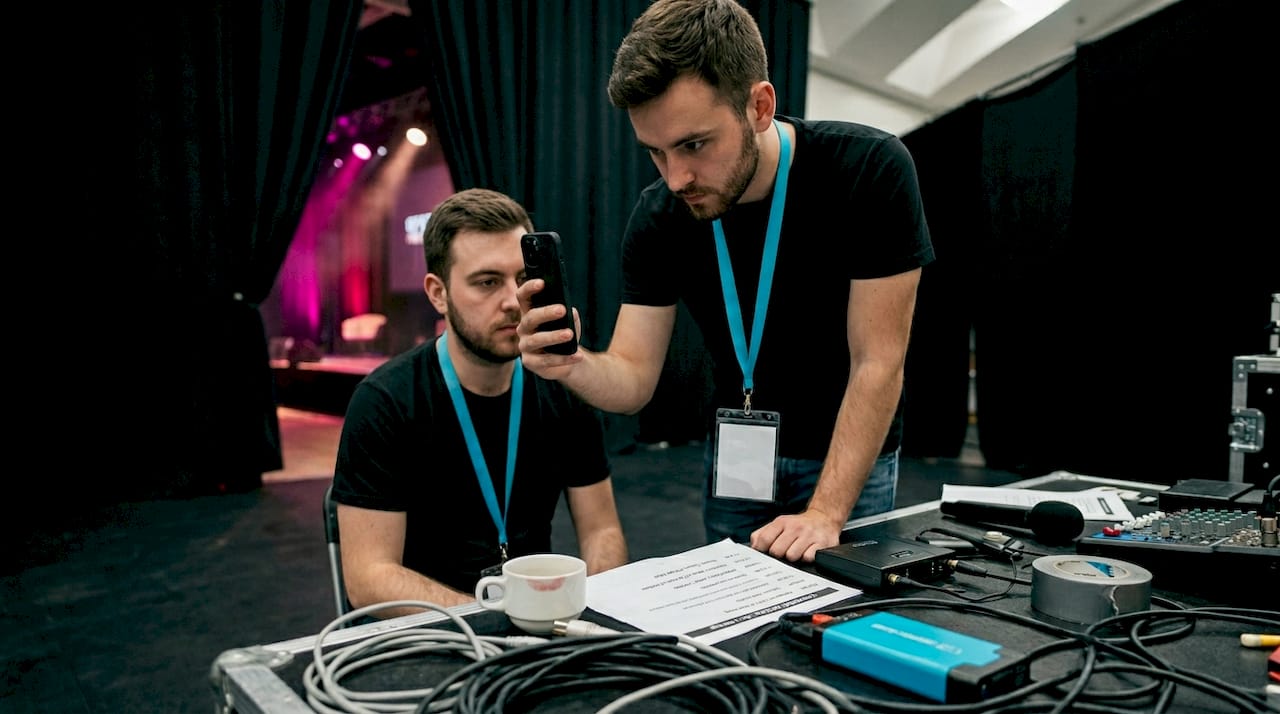
The numbers are decisive. TikTok’s engagement rate sits between 3.70% and 4.25%, while Instagram Reels deliver between 0.48% and 0.87%. Both dramatically outperform long-form video in reach and shares. For a corporate event in a competitive market like South Florida, those percentages represent a significant advantage over brands still relying on traditional video formats.
What short-form videos do best at events:
- Event teasers that build anticipation 48 to 72 hours before doors open
- Real-time highlights showing keynote moments or crowd energy on the day
- Behind-the-scenes glimpses from setup, green rooms, and speaker prep
- Quick “top three takeaways” recaps published immediately after sessions end
- Audience reaction clips that humanize the event and create social proof
The technical requirements are straightforward but essential. Vertical format with captions and a strong visual hook in the opening three seconds are baseline requirements. Trending audio adds another layer of discoverability because the platform’s algorithm actively promotes content using popular sound clips.
Your video production services team should capture raw clips throughout the day specifically intended for short-form repurposing. This requires a different mindset than traditional event coverage, where cameras focus primarily on stage content. For social media, you need vertical shots, crowd moments, speaker reactions, and candid interactions that feel native to the platform.
Pro Tip: Batch-shoot short-form content snippets during event setup and speaker arrivals. You can schedule multiple posts throughout the day without scrambling for material during the event itself, which keeps your social feed active and your team focused on execution.
Educational, explainer, and thought leadership videos
Short-form excels at instant attention, but some goals demand depth. Enter educational and thought leadership content.
Not every event video should chase virality. For many corporate events in South Florida, the most valuable content you can produce is material that positions your leadership team as genuine experts in their field. This content type plays a longer game but delivers compounding returns through search visibility and professional credibility.
LinkedIn is the primary platform for B2B thought leadership content, and its video engagement benchmarks reflect that. LinkedIn video posts deliver engagement rates between 3.9% and 4.5%, which is remarkably strong for a professional platform where audiences are more selective. YouTube serves a different but complementary function: it is where longer educational content lives, gets indexed by search engines, and continues generating views for months or years after the event.
Here is a practical workflow for producing educational event video that maximizes lifespan:
- Record full session coverage during the event with proper audio and multi-angle capture for quality.
- Edit into chapter segments of three to eight minutes, each covering one specific topic or argument.
- Extract expert soundbites from speakers and create standalone quote videos for LinkedIn distribution.
- Build a post-event series that releases one segment per week over the following month.
- Repurpose each segment into short-form clips for TikTok, Reels, and Shorts to extend reach.
“The most effective event content strategies we’ve seen treat a single multi-day conference as a content production engine, not just a one-time opportunity. The raw material from two days on-site can fuel an entire quarter of B2B thought leadership content when approached with the right production framework.”
Compelling expert quotes within the video itself dramatically increase perceived authority. A speaker saying something specific, quotable, and genuinely insightful in a clean interview format carries more weight than any graphic overlay or animated slide. Production quality matters here more than it does in BTS content because your audience is evaluating expertise partly through production values.
For deeper guidance on how this applies to your industry, our resources on B2B video marketing strategies and corporate explainer video tips walk through format decisions at each stage. If you want to go further, explore B2B video content strategies tailored specifically for corporate audiences.
Behind-the-scenes, testimonials, and live videos
Educational content builds trust over time, but spontaneous, authentic moment videos deliver immediate audience connection.
Authenticity has become a competitive advantage in corporate video content. Audiences across platforms are sophisticated enough to recognize when content feels staged or over-produced for organic posts, and they respond accordingly. The algorithm agrees: lo-fi human content consistently outperforms high-production content in organic reach, because platforms reward content that generates genuine reactions.
This does not mean abandoning production quality entirely. The nuance matters: authenticity works for organic posts, while paid advertising still benefits from stronger hooks, precise messaging, and polished visuals. Knowing which approach applies to which distribution channel is a key strategic decision.
The three formats in this category each serve a distinct purpose:
- Behind-the-scenes videos build anticipation, show human effort behind professional execution, and make audiences feel included in something exclusive. Filming setup crews, speaker prep moments, and green room conversations creates a sense of access that polished stage footage never can.
- Testimonial and interview videos serve as social proof and are among the highest-converting content formats for post-event distribution. A satisfied attendee speaking candidly on camera delivers more credibility than any branded message.
- Live videos create real-time interaction opportunities that no pre-recorded format can replicate. Live Q&A sessions, event floor walkthroughs, and impromptu speaker interviews pull audiences into the experience as it happens.
Common video types for corporate events include all three of these formats as essential components, not optional additions. Planning for them requires dedicated capture during the event, which means briefing your production team specifically on what authentic moments to look for and how to capture them without disrupting the natural flow.
For guidance on event video content planning that integrates all three formats into a coherent distribution strategy, it is worth mapping out the capture plan before the event day arrives.
| Video type | Best platform | Engagement style | Event phase |
|---|---|---|---|
| Behind-the-scenes | Instagram, TikTok | Organic, trust-building | Pre and during |
| Testimonials | LinkedIn, YouTube | Social proof, conversion | Post-event |
| Live video | Instagram, YouTube | Real-time, interactive | During event |
Social media video types at a glance: Comparison table
To tie it all together, use this side-by-side comparison for fast decision-making.
Common video formats each carry distinct strengths depending on where they live in the event timeline and which platform receives them. The table below gives your team a quick reference for matching format to function.
| Video type | Best platforms | Event fit | Engagement type | Timeline |
|---|---|---|---|---|
| Short-form (Reels, TikToks, Shorts) | TikTok, Instagram, YouTube | Teasers, highlights, recaps | Viral, awareness | Pre, during, post |
| Explainer / educational | YouTube, LinkedIn | Session summaries, how-to content | Authority, SEO | Post-event |
| Thought leadership interviews | LinkedIn, YouTube | Speaker Q&A, executive messaging | B2B credibility | Post-event |
| Behind-the-scenes | Instagram, TikTok | Setup, prep, candid moments | Organic trust | Pre and during |
| Testimonials | LinkedIn, YouTube, Instagram | Attendee reactions, client stories | Social proof | Post-event |
| Live video | Instagram Live, YouTube Live | Keynotes, Q&A, event floor coverage | Real-time interaction | During event |
TikTok and Instagram Reels drive awareness and virality, LinkedIn anchors B2B thought leadership, and YouTube serves both long-form education and searchable archive content. These platform distinctions should directly inform your production priorities and post-production editing choices.
For brands that want professional video production that accounts for all of these formats from a single event, the key is briefing your production team before the event with a clear platform-by-platform capture plan, not hoping the footage works after the fact.
Why a strategic mix of video types powers event success
Here is the uncomfortable truth most event marketing guides will not tell you: choosing the “best” video type is the wrong question. We have worked with brands at conferences, trade shows, and multi-day corporate events across South Florida for over two decades, and the teams that consistently outperform their peers are the ones who reject the single-format approach entirely.
Every event has three distinct phases, and each phase has different audience psychology at work. Before the event, people need a reason to care. During the event, your social channels should create FOMO for people who are not there and amplify energy for those who are. After the event, you have a narrow window to deliver value that keeps your brand relevant for people who attended and helps you reach entirely new audiences through search and shares.
A three-phase content strategy covering pre-event teasers, live clips, and post-event edited highlights is the proven framework for extracting maximum 12-month content value from a single corporate event. That matters because the average corporate event has a production budget that demands ROI well beyond the event day itself.
The brands we see struggle are the ones that approach content capture reactively: they get great stage footage but miss the testimonials, they post a highlight reel two weeks after the event when momentum has died, or they produce everything in landscape format and wonder why Instagram performance is weak.
A winning B2B video strategy for events is built in pre-production, not in the edit suite. Analytics from each event should directly inform format decisions for the next one. Over time, you build a clear picture of which formats resonate with your specific audience and which platforms drive qualified engagement rather than empty impressions.
Pro Tip: Start with three formats per event: one short-form teaser series, one live session, and one post-event testimonial video. Master those before expanding. Consistency and quality across fewer formats outperforms scattered, mediocre execution across many.
Unlock powerful event videos with expert production
Your event’s video content does not have to be a guessing game. At Bonomotion, we have spent more than 20 years helping corporate clients across South Florida build event video strategies that generate real engagement, real leads, and real brand visibility long after the last speaker leaves the stage.
Whether you need corporate video production in Hollywood for a regional conference or full-service Miami commercial video production for a multi-day brand event, our experienced producers work alongside your communications team from planning through post-production. We understand the platform norms, the content calendar logic, and the technical requirements that turn event footage into content that actually performs. If you are ready to stop leaving value on the table after each event, let’s build your video strategy together.
Frequently asked questions
What is the most effective social media video type for events?
Short-form vertical videos like Reels and TikToks consistently drive the highest engagement and reach for event content, making them the strongest starting point for any event video strategy.
How long should a social media event video be?
Aim for under 60 seconds for quick highlights and teasers; use two to five minutes for explainer or thought leadership content, since short-form videos dominate engagement while longer formats serve deeper authority goals.
Should I post my event video on multiple platforms?
Yes, but tailor each video’s format and length to match platform-specific norms, as TikTok and Reels favor virality while LinkedIn and YouTube serve B2B and long-form audiences respectively.
How do I plan pre-, during, and post-event video content?
Use teasers before the event, live clips during it, and edited highlight reels or testimonial interviews afterward. This three-phase event content strategy maximizes content value across the full event lifecycle.
Do I need professional production for social videos?
Authentic, lo-fi content wins for organic reach and algorithm performance, but polished professional production significantly boosts credibility for paid advertising, executive showcases, and brand-level content.