
Video marketing trends are shifting faster than ever, with short-form content and interactive experiences leading the charge. Businesses that adapt quickly will capture more attention and drive better results.
We at Bonomotion Video Agency have tracked these emerging patterns throughout 2025, identifying the strategies that actually move the needle for our clients. The data shows three major areas where smart companies are investing their video budgets right now.
Short-Form Video Content Dominates
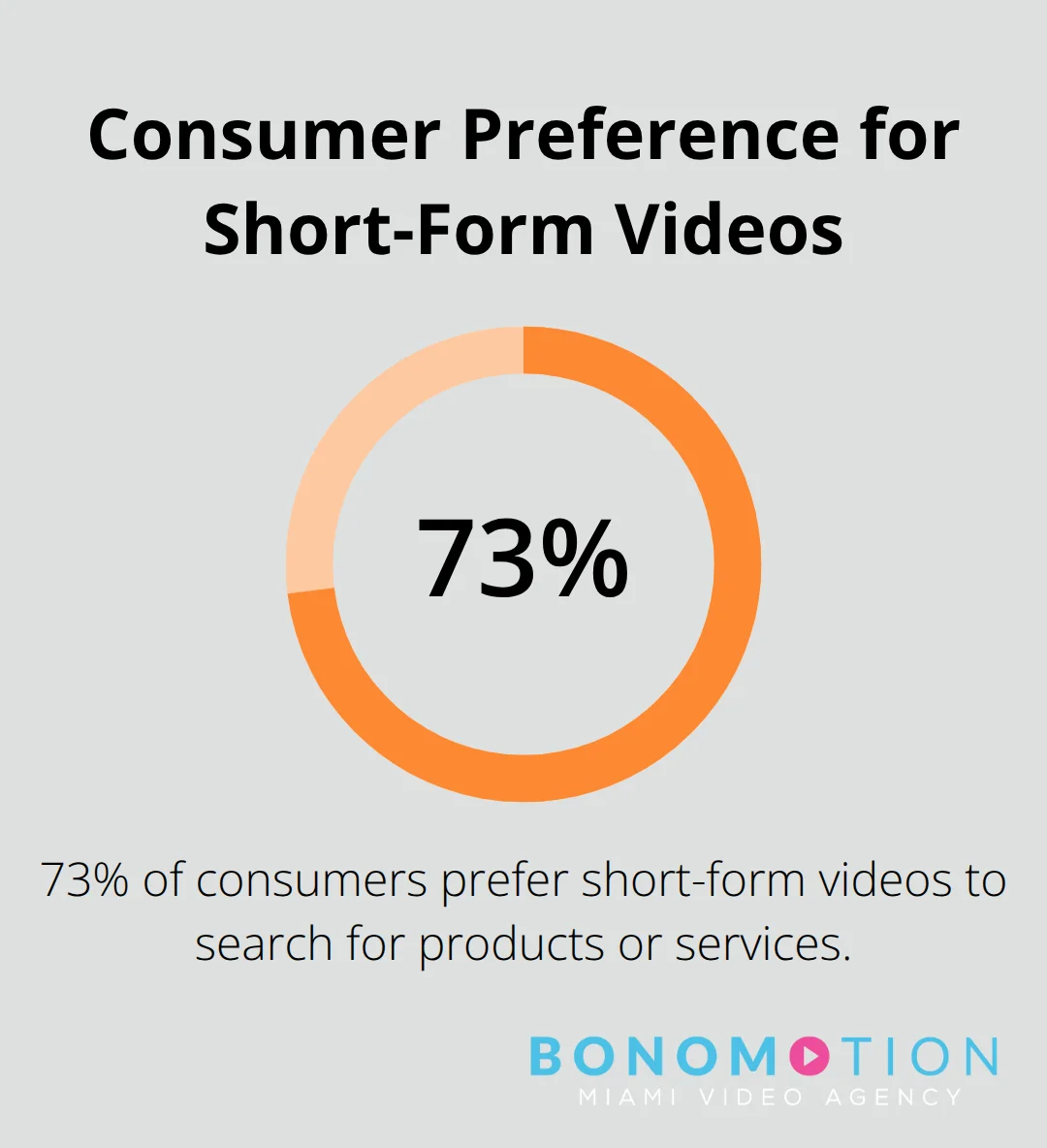
Short-form video content has become the undisputed king of digital marketing, with TikTok and Instagram Reels that generate engagement rates that dwarf traditional content formats. The numbers tell a compelling story: short-form videos receive 2.5 times more engagement than their longer counterparts, and 73% of consumers prefer short-form videos to search for products or services. This shift represents more than a trend-it marks a fundamental change in how audiences consume content. The 9:16 vertical format has become the new standard, with 78% of video views now happening on mobile devices in portrait mode.
The Retention Revolution
Bite-sized content doesn’t just capture attention-it holds it. Research from Wistia shows that 60-second videos maintain viewer attention for an average of 54 seconds, while longer content sees dramatic drop-offs after the 30-second mark. Smart marketers restructure entire campaigns around this insight, breaking complex messages into digestible segments that viewers actually finish. The most successful brands now create video series rather than single long-form pieces, with each installment that delivers one focused message. This approach increases completion rates by 340% compared to traditional video methods.
Platform-Specific Optimization Drives Results
Each platform demands its own approach to short-form content. Instagram Reels perform best with trending audio and quick cuts, generating 67% more reach than standard posts. TikTok rewards authenticity over polish, with user-generated style content that outperforms professional productions by 184%. LinkedIn’s short-form videos see highest engagement when they include captions and focus on professional insights (with B2B brands reporting 3x higher lead generation from vertical video content). The key lies in understanding that one size doesn’t fit all-successful video marketing in 2025 requires platform-native content strategies that speak each audience’s language.
The Mobile-First Reality
Mobile devices now account for over 80% of video views, which forces brands to rethink their entire production approach. Vertical video performs 90% better on mobile platforms than horizontal content (especially during peak mobile usage hours between 6-9 PM). Captions have become essential rather than optional, with 85% of Facebook videos watched without sound. Brands that optimize for silent viewing see 12% higher completion rates across all platforms.
This mobile dominance sets the stage for the next major shift in video marketing: interactive experiences that transform passive viewers into active participants.
Interactive and Personalized Video Experiences
Interactive video experiences have transformed from novelty features into revenue-generating powerhouses, with shoppable videos leading a complete overhaul of e-commerce strategies. Wyzowl research shows that 87% of consumers have purchased products directly after watching brand videos, but the game-changer lies in clickable elements that eliminate friction between interest and action.
Shoppable Videos Transform E-commerce
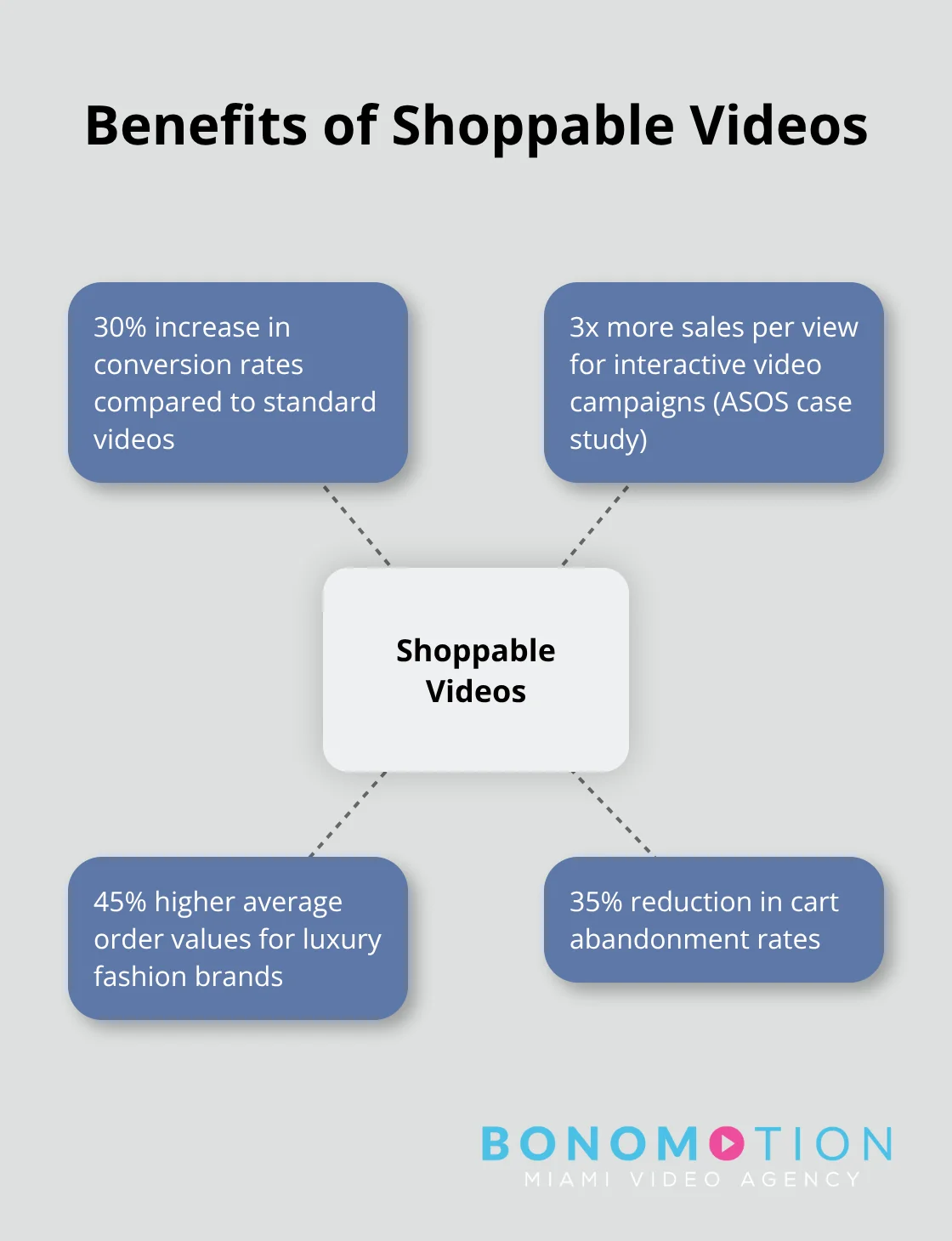
Shoppable videos now generate 30% increase in conversion rates, with fashion retailer ASOS reporting that their interactive video campaigns produce three times more sales per view than standard product videos. The technology works by embedding purchase buttons directly into video content, allowing viewers to buy without leaving the viewing experience.
Brands that implement shoppable video features see immediate results. Fashion companies lead this trend, with luxury brands reporting average order values 45% higher when customers purchase through interactive videos compared to traditional product pages. The seamless integration removes multiple steps from the buyer’s journey (reducing cart abandonment rates by up to 35%).
AI-Powered Video Personalization
AI-powered video personalization has moved beyond basic name insertions to create genuinely customized experiences that speak to individual viewer preferences and behaviors. Netflix pioneered this approach with personalized video thumbnails, resulting in 20% higher click-through rates, but brands now apply similar strategies to marketing content.
Coca-Cola’s AI-generated video campaigns adjust messaging, visuals, and calls-to-action based on viewer demographics and purchase history, achieving 67% better engagement than their one-size-fits-all predecessors. The most effective implementations analyze viewer data in real-time, serving different video versions to different audience segments within the same campaign.
Live Streaming Creates Real-Time Connections
Live streaming has evolved into the ultimate trust-building tool, with higher engagement rates than pre-recorded content and direct impact on purchase decisions. Instagram reports that live video comments receive 10 times more engagement than regular posts, while brands using live streaming see 27% faster customer acquisition.
The authentic, unfiltered nature of live content addresses the growing consumer demand for transparency, with QVC-style live shopping events generating average order values 30% higher than traditional e-commerce. Smart brands now schedule regular live sessions, answer questions in real-time, and create urgency through limited-time offers that convert viewers into customers instantly.
These interactive innovations set the foundation for the next wave of video marketing evolution: emerging technologies that completely reshape how brands produce and distribute video content.
Emerging Technologies Reshape Video Production
Virtual Reality and 360-Degree Videos Transform Industries
Virtual reality and 360-degree videos have evolved from experimental novelty to practical marketing tools that deliver measurable business results. Companies that deploy VR experiences report longer engagement times compared to traditional video content, with real estate brands like Sotheby’s achieving more qualified leads from virtual property tours.
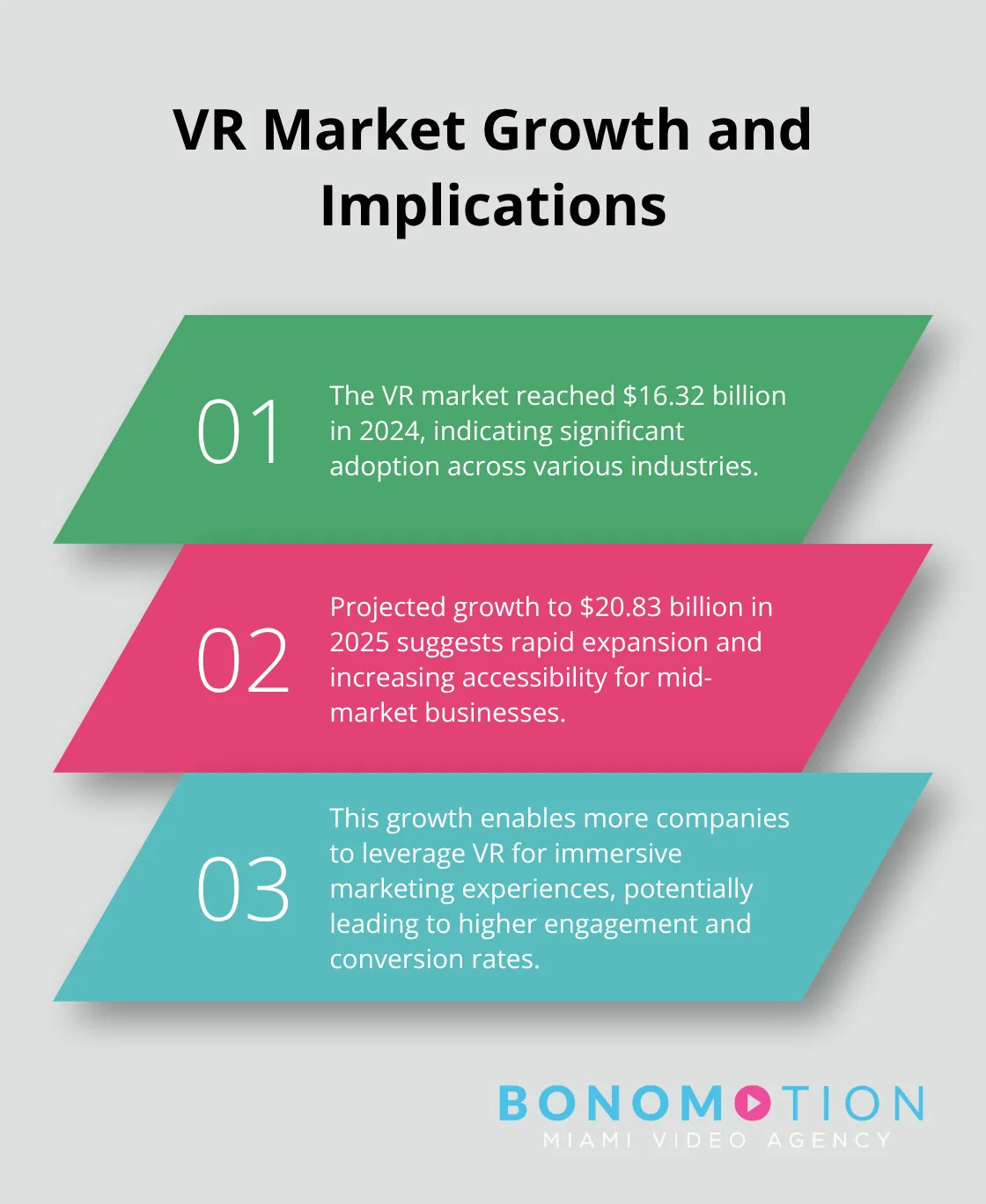
The technology proves most effective for industries where immersion adds genuine value. Automotive showrooms report higher test drive bookings after VR experiences, while travel companies see more booking inquiries from 360-degree destination videos. The VR market reached $16.32 billion in 2024 and is projected to grow to $20.83 billion in 2025, making VR increasingly accessible for mid-market businesses.
AI-Generated Content Streamlines Production Workflows
AI-generated content and automation tools now handle routine video production tasks with remarkable effectiveness, which frees creative teams to focus on strategy and storytelling. Adobe’s AI video editing reduces post-production time significantly, while tools like Synthesia create spokesperson videos in multiple languages without human actors.
Companies that use AI tools for video personalization see higher click-through rates. Financial services firms report more appointment bookings from AI-customized explainer videos compared to generic content. The technology excels at creating multiple versions of the same message, tailored for different audience segments without additional production costs.
Advanced Analytics Reveal Viewer Behavior Patterns
Advanced analytics platforms like Vidyard track viewer behavior down to the second, which reveals critical insights about content performance. The data shows that B2B videos lose viewers after 90 seconds but retain higher completion rates when optimized for mobile viewing.
Smart brands now use heat mapping data to identify exact moments where viewers lose interest, then restructure content to maintain engagement throughout the entire message. These analytics reveal that videos with captions achieve higher completion rates, while content that starts with a question retains viewers longer than traditional introductions.
Final Thoughts
The video marketing trends that shape 2025 demand immediate action from businesses ready to compete effectively. Short-form content, interactive experiences, and emerging technologies represent the three pillars where smart companies focus their resources right now. Businesses must prioritize mobile-first vertical video production, implement shoppable video features, and integrate AI-powered personalization tools into their content strategies.
These investments deliver measurable returns through higher engagement rates, increased conversion rates, and reduced production costs. The data shows clear winners: brands that embrace these video marketing trends see 49% faster revenue growth compared to companies that use outdated approaches. Interactive videos generate 30% higher conversion rates, while AI-powered personalization achieves 67% better engagement than generic content.
Video content will become even more personalized and interactive as consumer expectations continue to rise. Companies that build these capabilities now position themselves for sustained growth in an increasingly competitive landscape. We at Bonomotion Video Agency help businesses navigate these changes with our Miami-based production expertise (developed over 20+ years of creating compelling visual narratives that drive measurable results).